

CEB Contributor
Theodore Ko
Content Attorney at Continuing Education of the Bar (CEB)
Theodore Ko is a Content Attorney with CEB and works on developing CEB Practitioner.
Mr. Ko graduated from UC Davis Law in 2012, and worked as a deputy district attorney at Yolo County and staff immigration attorney at Asian Law Alliance in Santa Clara.
CEB Region:
Bay Area RegionPractice Areas:
Immigration Law
Content by Theodore Ko
-

SCOTUS's Ruling in Riley v. Bondi Likely to Create Immigration Procedural Confusion
July 15, 2025
Theodore Ko
Immigration Law
The U.S. Supreme Court's 6-3 decision in
Supreme Court Allows Trump Administration to Terminate TPS for Certain Venezuelans, End Humanitarian Parole Program
June 4, 2025
Theodore Ko
Immigration Law
Since its beginning, the second Trump administration has been instituting its own immigration reform through a series of orders, proclamations, and actions aimed at restricting immigration. Two recent examples demonstrate the breadth of executive power over immigration, and the U.S. Supreme Court’s rulings allow the administration to being deportations and removals of immigrants even as their cases are being heard in the courts.

How Immigration Attorneys Can Fight Mass Confusion and Fear Over the Federal Termination of International Students' Records
April 23, 2025
Theodore Ko
Immigration Law
During the Trump administration’s wholesale reformation of the immigration system, immigration attorneys must be hyper-vigilant regarding both federal actions affecting their clients, as well as existing rules and procedures that protect their clients’ statuses. It is insufficient to assume that a federal notice terminating status is valid on its face and may rely on a dubious interpretation of the law.

Clearer H-1B Regulations Take Effect Just in Time for the 2026 Registration Season
March 13, 2025
Theodore Ko
Immigration Law
The Department of Homeland Security’s new regulations clarifying the H-1B program went into effect on January 17, 2025. The changes make clear that the DHS and U.S. Citizenship and Immigration Services (USCIS) will be taking greater scrutiny of the H-1B applications, especially with broad authority to conduct thorough compliance reviews as USCIS requires, without much limitation.
Unpacking the Trump Administration's Immigration Executive Orders—and What They Mean for Immigration Attorneys and Clients
January 28, 2025
Theodore Ko
Immigration Law
On January 20, President Donald Trump issued several executive orders and proclamations to drastically change the way the federal government implements immigration policy. These orders are aimed at ceasing and discouraging the entry of undocumented immigrants and efficiently deporting immigrants illegally present in the United States—including by indefinitely pausing asylum and refugee admissions, restricting birthright citizenship, and lifting previous policy prohibitions against immigration searches at schools and places of worship. These policies are stated in the following executive orders and proclamations:

U.S. Supreme Court Holds That Visa Approval Revocations Are Judicially Unreviewable
December 18, 2024
Theodore Ko
Immigration Law
Visas are generally a privilege rather than a right in the United States, subject to discretionary review by the federal government. The same follows for U.S. citizens: their ability to petition their family, even spouse, is a privilege rather than a right. A recent unanimous U.S. Supreme Court
Representing Immigration Clients in Times of Natural Disaster or War
November 5, 2024
Theodore Ko
Immigration Law
Emergencies of any kind can happen to anyone. Imagine your immigrant client -- present in the United States either on a work trip, on a vacation, or as a student -- becomes a victim of a crime, or their country falls into a state of war. After verifying their safety, there are key questions you need to ask:
Parole Whack-a-Mole: States Suing to Stop Biden Administration's Immigration Policies
September 25, 2024
Theodore Ko
Administrative Law, Immigration Law
A new federal immigration parole program,

New Requirements for Immigration Program for Start-Up Entrepreneurs Will Take Effect in October
August 14, 2024
Theodore Ko
Business Transactions, Immigration Law
U.S. immigration rules allow case-by-case "international entrepreneur parole" authorizing noncitizens to stay in the United States in order to work on a start-up business venture. The federal government recently announced new financial threshold amounts for individuals to be eligible for this discretionary authorization. The new requirements will take effect in October. Read on to learn about the rule changes and how they could affect your immigration practice.

U.S. Citizens Don't Have a Right to Live With Noncitizen Spouses in the United States, SCOTUS Holds
July 3, 2024
Theodore Ko
Constitutional Law, Immigration Law
The most recent U.S. Supreme Court case on immigration,
Finding Out Your Client Is Not a U.S. Citizen, and What to Do Next
May 22, 2024
Theodore Ko
Immigration Law
What if a client rushes into your office and says they've only just learned they are not a U.S. citizen after living, working, and voting for the last 60 years in the United States? A recent case in Florida shows that this scenario is not an impossible one. If you're an immigration attorney, the first thing you'll need to do is sit down with the client and figure out their history as soon as possible, before key evidence and records are destroyed.
USCIS Updates Application Fees (They Mostly Go Up), Codifies Fee Waiver Criteria, and Adds X Gender Option to Form N-400
April 10, 2024
Theodore Ko
Immigration Law
The United States Citizenship and Immigration Services (USCIS) has issued several changes in the following areas:
U.S. Department of Homeland Security Issues Finalized Rule to Prevent Gaming the H-1B Selection Process
February 28, 2024
Theodore Ko
Employment Law, Immigration Law
On February 2, 2024, the U.S. Department of Homeland Security (DHS) issued
Job Portability and Employer's Ability to Pay on Employment-Based Adjustment of Immigration Status
January 17, 2024
Theodore Ko
Employment Law, Immigration Law
Immigration through employment-based visas is a heavily impacted program. An employer may petition an immigrant worker by filing

A Multi-Million Dollar Lesson in Compliance With Federal Immigration Antidiscrimination Hiring Regulations
December 6, 2023
Theodore Ko
Employment Law, Immigration Law
Employers must follow (or at least avoid violating) federal immigration law, lest they end up criminally prosecuted or forced to pay a hefty fine. On November 9, 2023, the U.S. Department of Justice (DOJ) announced a settlement with Apple Inc. (Apple) over claims that their hiring practices violated the Immigration and Nationality Act’s antidiscrimination provision (8 U.S.C. § 1324b).

Proposed Class Settlement Submitted to the Court in Ms. L. v. ICE, the Family Separation Case Against ICE
October 25, 2023
Theodore Ko
Immigration Law
A potential settlement has been filed for approval in
What Happens When a Petitioner or Principal Beneficiary Dies During an Adjustment of Immigration Status
September 13, 2023
Theodore Ko
Immigration Law
The death of a family member is a difficult and traumatic event. For immigrants, the death of the petitioner or even the principal beneficiary (

Another Executive Branch Rule Restricting Asylum Is Vacated Under the Administrative Procedure Act
August 2, 2023
Theodore Ko
Administrative Law, Immigration Law
The executive branch has broad powers to implement immigration policy, as long as it's consistent with federal law as passed by Congress. In creating new rules and regulations, the executive branch agencies must follow the Administrative Procedure Act (APA) (5 U.S.C. §§ 551–559), including allowing sufficient time for public comment on proposed rules (see 5 U.S.C. § 553). Once again, the courts recently stepped in to remind the administration of those requirements.

Clarifying Citizenship for Adopted Children Born Outside of the United States
June 21, 2023
Theodore Ko
Immigration Law
On April 21, 2023, the

Colluding to 'Win' the H-1B Visa Lottery Is Highly Likely Criminal
May 10, 2023
Theodore Ko
Immigration Law
The H-1B visa is a highly sought after visa for immigrants to work in what the United States Citizenship and Immigration Services (USCIS) classifies as a specialty occupation. Generally, a specialty occupation is one that requires:

USCIS Trialing New English and U.S. History and Civics Test for Naturalization to Increase Standardization
March 29, 2023
Theodore Ko
Immigration Law
In fiscal year 2021, the United States Citizenship and Immigration Services (USCIS) naturalized over
Potential New Social Group Based on Perceived Gender Identity or Sexual Orientation for Asylum Cases
February 15, 2023
Theodore Ko
Immigration Law
For a successful asylum claim, a petitioner must show that they suffered (1) past persecution, (2) that such persecution was “on account of race, religion, nationality, membership in a particular social group, or political opinion” (8 U.S.C. § 1101(a)(42)(A)); and (3) that “the persecution was committed by the government, or by forces the government was unable or unwilling to control.” (

The Continuance of the CDC's Title 42 Orders Restricting Asylum Seekers
January 4, 2023
Theodore Ko
Immigration Law
Practicing immigration is unique in that it can be subject to political whims (one administration can drastically reverse the immigration policy of the preceding administration with as little as an executive order), in addition to lawsuits that can effect broad change to existing immigration policy (see
Extensions to 2024 for Certain Temporary Protected Status Designations
November 23, 2022
Theodore Ko
Immigration Law
On November 10, 2022, the Department of Homeland Security (DHS) posted a
Using USCIS Form N-648 To Qualify for a Disability Exemption from the English and U.S. History and Civics Requirements for Citizenship
October 12, 2022
Theodore Ko
Immigration Law
One important aspect of the naturalization process is the English and U.S. History and Civics tests (see 8 U.S.C. § 1423(a)), but not all prospective applicants have to worry about this requirement. A person who is unable to comply with the English and Civics test requirements “because of physical or developmental disability or mental impairment” is exempt from those testing requirements. (8 U.S.C. § 1423(b)(1).) In order to prove that your client qualifies for this exemption, they must have their treating or primary care physician certify their condition by filling out

Uniting for Ukraine Program Versus Temporary Protected Status
August 31, 2022
Theodore Ko
Immigration Law
On April 21, 2022, the United States announced the

U.S. Citizenship and Children
July 20, 2022
Theodore Ko
Immigration Law
Children of U.S. citizens may become U.S. citizens through acquisition of citizenship at birth or derivation of citizenship.
Expedited Credible Fear and Asylum Processing Began May 31, 2022
June 8, 2022
Theodore Ko
Immigration Law
On May 31, 2022, the U.S. Department of Homeland Security (DHS) and the U.S. Department of Justice (DOJ) began implementing a previously announced interim final rule called “

New Online Filing for DACA Renewals
April 27, 2022
Theodore Ko
Immigration Law
As of April 12, 2022, individuals who are renewing their deferred action under Deferred Action for Childhood Arrivals (DACA) may do so

New USCIS Rules and Policies to Help Special Immigrant Juveniles
March 16, 2022
Theodore Ko
Immigration Law
On March 7, 2022, the United States Citizenship and Immigration Service (USCIS) issued a

How Divorce Can Affect a Client's Immigration Status
February 2, 2022
Theodore Ko
Immigration Law
Divorce can complicate the immigration process. However, divorce happens and immigration policy in the United States is mostly designed to avoid penalizing the applicants for divorcing. If a U.S. citizen (the petitioner) wants to have their non-U.S. citizen spouse (the applicant) come and live with them in the United States with the eventual goal of becoming a U.S. citizen, the process usually looks like this:
USCIS and the Importance of Triple-Checking an Application
December 21, 2021
Theodore Ko
Immigration Law
Immigration attorneys must exercise due diligence right before submitting an application. Even though gathering all the attachments and information and filling out the application may have been a months-long process, you can't celebrate just yet. Before that application goes into an envelope, you must review -- and review again -- the completed materials for completeness and accuracy. The smallest error can cause an avalanche of consequences for your client.

Temporary Relief: Deferred Enforced Departure for Hong Kong Residents
November 10, 2021
Theodore Ko
Immigration Law
On Aug. 5, the President of the United States issued

The Reality of the 90-Day Fiancé Visa
September 29, 2021
Theodore Ko
Immigration Law
The K-1 nonimmigrant visa, colloquially referred to as the 90-day fiancé visa, is one of the more popularly known visas because of certain cable television
Drafting a Criminal History Chronology for an Immigration Cover Letter to USCIS
August 18, 2021
Theodore Ko
Immigration Law
After gathering all of a client’s criminal history, all available documentation regarding that criminal history, and carefully analyzing that criminal history, the final step is to build out and organize the client’s application for submission to the United States Citizenship and Immigration Service (USCIS). Any criminal history, from minor traffic tickets to convictions with incarceration, must be sufficiently detailed and explained in a cover letter. Additionally, a practitioner should balance out the criminal history with positive equities,

Analyzing a Client's Criminal History for Immigration Purposes
July 7, 2021
Theodore Ko
Criminal Law, Immigration Law
If an immigration client has a criminal history, it's imperative to carefully and meticulously review the criminal history for any convictions that may bar the client from applying for an immigration benefit or place the client at risk of deportation. There are two main categories of crimes to look out for: aggravated felonies and crimes involving moral turpitude. These are defined under federal statute, regulations, or case law.
Applying for Naturalization: Interviewing Your Client on Their Criminal History
May 26, 2021
Theodore Ko
Criminal Law, Immigration Law
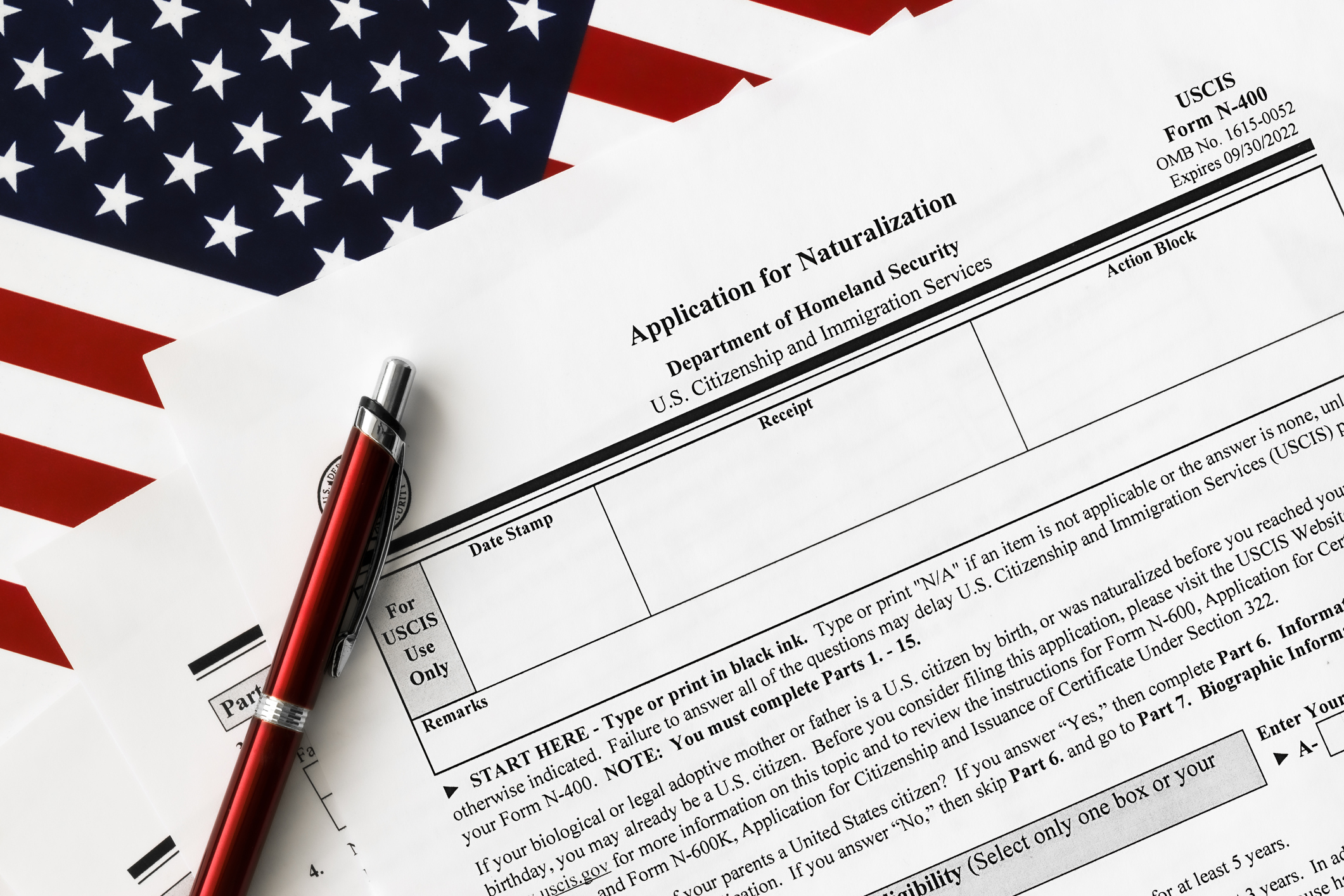
An attorney can never be too prepared when dealing with immigration at any level. When it comes to a client’s criminal history, it's important to gather as much information as possible on the client’s background before filling out an application for any immigration benefits. While federal immigration agencies have ready access to federal and state records, immigration practitioners will often have to start from scratch in building their client's histories. This starts with the client interview.
Applying for Citizenship While Petition to Remove Conditions on Residence Is Pending
April 14, 2021
Theodore Ko
Immigration Law
Immigrant spouses of U.S. citizens may be granted conditional permanent residence instead of permanent residence, if upon the approval of their application, the spouse and U.S. citizen have been married for less than two years. (8 C.F.R. § 216.1.) A conditional permanent resident enjoys all the rights, privileges, responsibilities, and duties of all other lawful permanent residents, with a few exceptions. (8 C.F.R. § 216.1.) For one, a conditional permanent resident must file From I-751, Petition to Remove Conditions on Residence, within 90 days of their 2-year anniversary as a conditional permanent resident. (8 C.F.R. § 216.4(a)(1).) Failure to timely file their petition will result in the termination of their permanent resident status. (8 C.F.R. § 216.4(a)(6).)
Keeping Up to Date on Immigration Policies
March 3, 2021
Theodore Ko
Immigration Law
United States immigration policies are found in many different sources. The

How to Follow Up on an Immigration Application
February 10, 2021
Theodore Ko
Immigration Law
Applications for immigration benefits may take years to process depending on the benefit applied for and regulations in effect at the time of application. The United States Immigration and Citizenship Services (USCIS) processes many applications by mail, although there has been a move towards electronic submissions in recent years. On Jan. 12, 2021, the Office of the Citizenship and Immigration Service (CIS) Ombudsman
Exercise Extreme Caution for Subsequent Immigration Interviews for Marriage-Based Benefits
January 20, 2021
Theodore Ko
Immigration Law
Most applications for a marriage-based benefit, such as adjustment of status, will be granted after one interview. With robust preparation and a reminder that the clients should never lie in any way to the United States Citizenship and Immigration Service (U.S.C.I.S.), the initial interview should go smoothly. However, if an issue affecting the eligibility or basis of the marriage arises during the interview or a review of the application, U.S.C.I.S. may issue a notice for a second or subsequent interview. While this can be interpreted as a second chance to set the record straight, attorneys should approach the second interview with a high degree of caution.
USCIS Increases the Difficulty of Becoming a Citizen
December 9, 2020
Theodore Ko
Immigration Law
A key part of becoming a citizen through naturalization is passing the civics test. On November 13, 2020, U.S. Citizenship and Immigration Services

Naturalization: Passing the English and Civics Test and Exemptions
November 18, 2020
Theodore Ko
Immigration Law, Litigation Practice & Procedure
Once an applicant files with Form N-400, Application for Naturalization, they will need to prepare for the naturalization interview. A key part of the interview is the English and Civics test. Unless an exemption applies, your client will need to demonstrate a working knowledge of English and to pass an oral quiz of U.S. History and Civics. (8 U.S.C. § 1423(a).) U.S.C.I.S. publishes a

Applying for U.S. Citizenship Through Naturalization
October 28, 2020
Theodore Ko
Immigration Law
U.S. citizenship allows an immigrant to register to vote, serve on juries, obtain greater economic opportunities, and be protected against deportation. Citizenship is obtainable through two main ways: by naturalization or by derivation or acquisition through parents. This article focuses on naturalization.

How to Get a Complete History For Your Immigration Client
October 7, 2020
Theodore Ko
Immigration Law
The immigration branches under the Department of Homeland Security have very long memories. Whether an individual is applying for their first tourist visa or applying for U.S. citizenship after 50 years living in the United States as a permanent resident, their full immigration history is open to scrutiny just the same. If an applicant for U.S. citizenship forgets to include a residential address as part of their history that they stated on a prior application, the omission raises the immigration officer's suspicion that the applicant is lying. This suspicion can be very difficult to defeat and it's important for any practitioner to obtain as complete a history as possible from their client.

Proving a Bona Fide Marriage for Immigration
August 26, 2020
Theodore Ko
Immigration Law
Marriage to a U.S. citizen may provide many immigration benefits. For example, a U.S. citizen may file an immigrant petition for their immigrant spouse or fiancé, and can open the door toward legal status during deportation proceedings. If a permanent resident is married to a U.S. citizen for a minimum of three years, they may file for naturalization two years earlier than most other permanent residents.
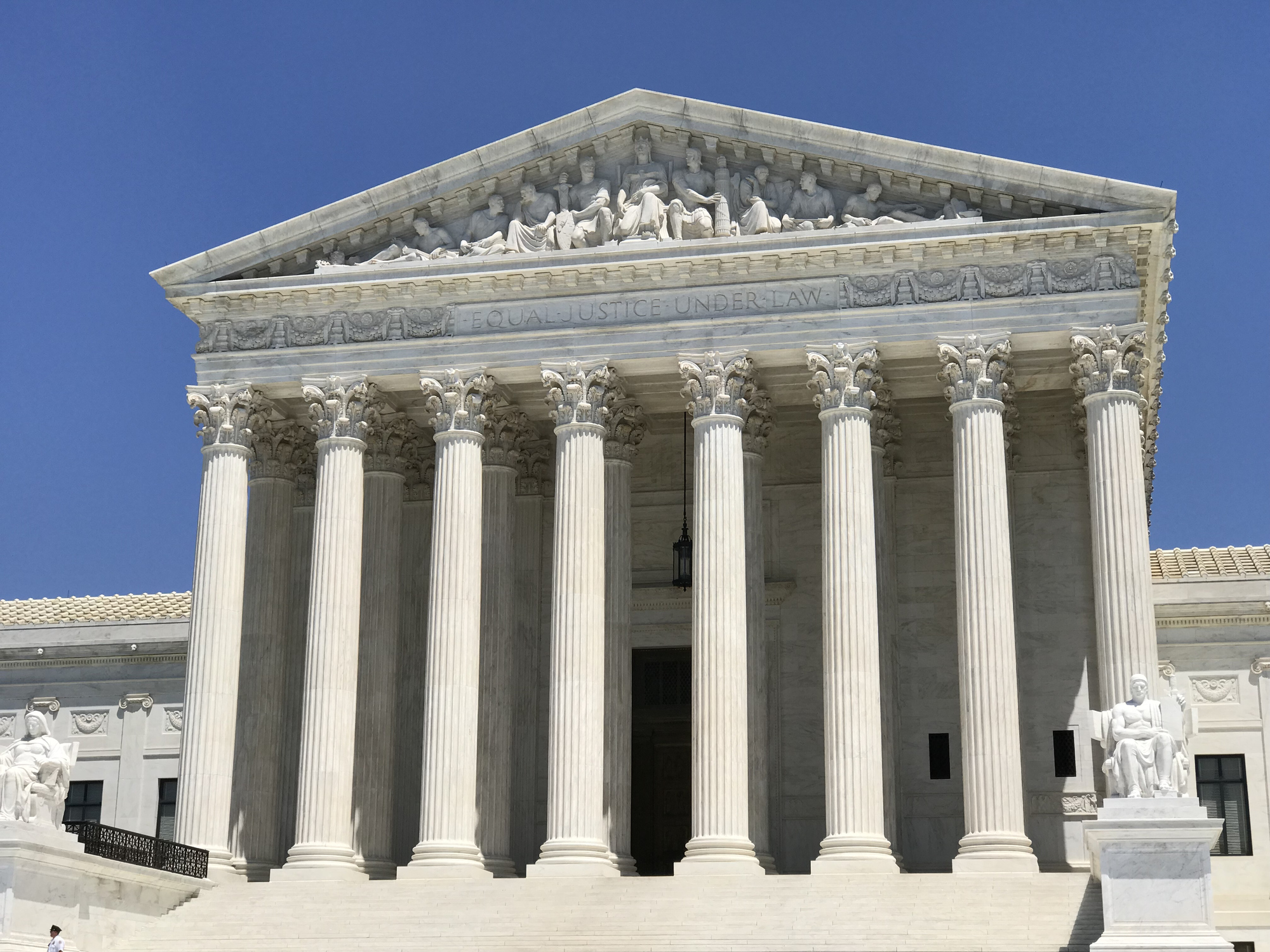
After the Supreme Court's Holding, What's Next for DACA?
June 25, 2020
Theodore Ko
Administrative Law, Immigration Law
On June 18, the U.S. Supreme Court issued its
No documents found.
No programs found.
No secondary sources available.
Scroll to TopCopy the link below: