

CEB Contributor
Megan Oliver Thompson
Content Development Manager, CEB Publications at Continuing Education of the Bar (CEB)
As the Content Development Manager for CEB Publications, Megan Oliver Thompson leads the team of Content Attorneys who collaborate with our contributors to develop and update CEB's legal practice guides on an annual or biennial basis. Ms. Oliver Thompson previously worked as a Content Attorney for two years, focused on updating several litigation-focused titles, including favorites such as “Civil Appellate Practice,” “Civil Discovery Practice,” and “Attorney Fee Awards.” She also regularly wrote articles on recent legal developments in California for CEB's Daily News.
Ms. Oliver Thompson received her J.D. from Chicago-Kent College of Law and her BA in English from The George Washington University.
Ms. Oliver Thompson is an experienced litigator who practiced for over 17 years before joining CEB. Her litigation practice focused on defending business clients in consumer class actions and complex commercial cases across many industries, including food, restaurant, dairy, retail, technology, franchising, financial, and public sector. Ms. Oliver Thompson also enjoyed a niche practice representing California dairy farmer organizations in administrative proceedings concerning dairy product pricing regulations. Some of her litigation successes include successfully defending two Bay Area transit agencies at trial in a due process class action; obtaining decertification of a Rule 23(b)(3) damages class in a federal food labeling class action alleging unfair business practices, false advertising, and violations of California’s Consumer Legal Remedies Act; and defeating class certification in an unfair business practices and false advertising case brought against a national retailer.
CEB Region:
Bay Area RegionPractice Areas:
Litigation Practice & Procedure
Content by Megan Oliver Thompson
-

Consumers Can't Bring Sunshine With Them Wherever They Go
May 10, 2024
Megan Oliver Thompson
Business Litigation, Litigation Practice & Procedure
When is a statement on a food label false advertising, and when is it puffery? Northern District of California Judge Haywood S. Gilliam, Jr. recently addressed the differences head-on in

Is California Code of Civil Procedure Section 1291.98 a Friend of Arbitration?
April 5, 2024
Megan Oliver Thompson
Appellate Law, Litigation Practice & Procedure, Arbitration
The California Court of Appeal is nothing if not consistent about its strict enforcement of the material breach provision in

Stick to the Material Facts When Preparing a Separate Statement
March 15, 2024
Megan Oliver Thompson
Litigation Practice & Procedure, Summary Judgment & Summary Adjudication, Moving & Reply Papers, Opposition Papers
When the California Court of Appeal spills extra ink to "remind" litigants about something, it's probably a good idea for litigators to pay attention.

Ninth Circuit Shuts Down Second Tinder Class Action Settlement Based on Inadequate Representation
February 26, 2024
Megan Oliver Thompson
Business Litigation, Litigation Practice & Procedure, Class Actions, Class Action Settlement (Federal)
The Ninth Circuit's recent decision in

How Do PAGA Claims Differ From Class Actions? Let Me Count the Ways.
February 2, 2024
Megan Oliver Thompson
Employment Law, Wage & Hour, PAGA, Litigation Practice & Procedure, Class Actions
Class action litigators may find especially interesting the court's analysis of the defendant's class action-based manageability argument. There is some appeal to the defendant's argument that the class action manageability requirement should be grafted onto PAGA claims. After all, both class actions and PAGA claims are "representative" actions, meaning, in the simplest terms, that one plaintiff seeks to represent many others.

California Attorney Fees Litigation: Top 2023 Cases
January 12, 2024
Megan Oliver Thompson
Litigation Practice & Procedure, Attorney Fees & Costs
Another year, another boatload of attorney fee decisions in California. Here are ten cases from 2023 providing useful guidance to litigators when claiming or opposing attorney fees in the Golden State.

It Pays to Be Civil: Trial Court's 40% Attorney Fee Reduction for Pervasive Incivility Affirmed
December 22, 2023
Megan Oliver Thompson
Legal Ethics, Litigation Practice & Procedure, Attorney Fees & Costs
Can a court consider an attorney's incivility when awarding attorney fees? Yes, said the court of appeal in

The Tools of Persuasion: Tips for Crafting a Concise, Clear, and Compelling Introduction
December 15, 2023
Megan Oliver Thompson
Litigation Practice & Procedure, Motion Practice
Introductions are an important tool of persuasion for litigators. An introduction provides a summary of your argument, highlighting the key points the court needs to rule in your favor. An introduction gives the court a roadmap of your argument, taking it smoothly from Point A to Point B. In the simplest terms, an introduction tells the court what you want and why the court should give it to you.
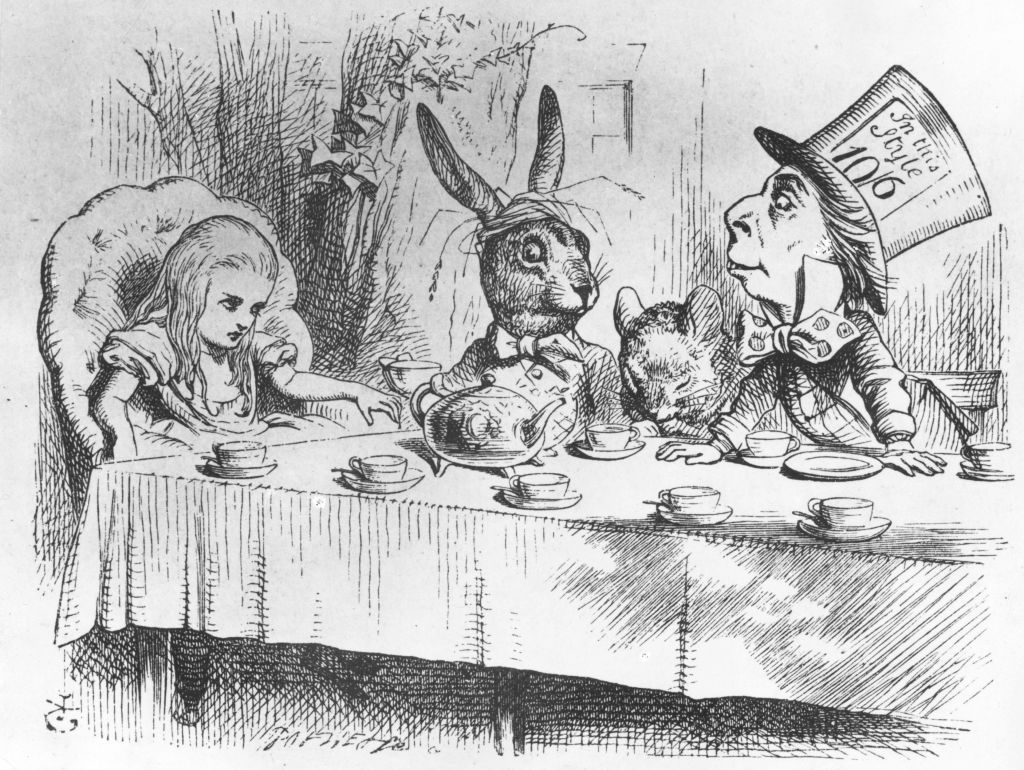
Literary Allusions in Legal Writing: How Can Alice and the Mad Hatter Help Persuade?
November 13, 2023
Megan Oliver Thompson
Litigation Practice & Procedure
Literary allusions can be a useful tool in persuasive writing. If used the right way, they can: evoke a particular emotion or response in the reader; effectively illustrate a relevant comparison; or enhance the credibility of the writer. They can also "punch up" an otherwise dull subject. But should attorneys use literary allusions in their legal writing? And if so, how?

Challenging Class Allegations at Pleading Stage Requires Focus on Liability Issues
October 20, 2023
Megan Oliver Thompson
Litigation Practice & Procedure, Class Actions, Responding to the Complaint (California), Pre-Certification Motion Practice (California)
Class action attorneys on both sides of the "v" know that class certification is a critical moment in a class action lawsuit. A certified class is a win for class counsel, while defeating class certification is a win for defense counsel. Ordinarily, the issue is decided on the plaintiff's motion for class certification, after the parties conduct discovery sufficient to address the issue. But defense counsel may strategically attempt to force the issue early in the case -- a move that, if successful, can make a huge impact on the case's scope.

Trend of Strict Statutory Construction Continues in California Cases Over Timely Payment of Arbitration Fees
September 29, 2023
Megan Oliver Thompson
Litigation Practice & Procedure, Arbitration
As we discussed last December, a

Prosecution Immunity Under California Government Code Section 821.6 Doesn't Apply Without Prosecution
September 8, 2023
Megan Oliver Thompson
Personal Injury, State & Local Government
Since 1994, several California appellate courts have used

Ninth Circuit Opens the Door for Courts to Consider Back Label Information in McGinity v. The Procter & Gamble Company
August 18, 2023
Megan Oliver Thompson
Business Litigation, Business Torts , Unfair competition
When can a manufacturer rely on the back label of a product in a deceptive labeling case? Well...it depends on what appears on the front label. In

Federal Courts in Ninth Circuit Can't Use Remote Testimony as End-Run Around Limited Subpoena Power
August 14, 2023
Megan Oliver Thompson
Litigation Practice & Procedure, Trial
Can a federal court compel a witness to testify at trial remotely if that witness is beyond the court's subpoena power? No, says the Ninth Circuit in

Ninth Circuit Weighs In on Music-Based Harassment Claims in Sharp v. Activewear, L.L.C.
July 7, 2023
Megan Oliver Thompson
Employment Law, Discrimination & Harassment, Sexual Harassment
In

A Growing Trend in Legal Citation: The (Cleaned Up) Parenthetical
June 16, 2023
Megan Oliver Thompson
Appellate Law, Litigation Practice & Procedure, Appeals
The (cleaned up) trend in legal citation is not new, but it may be new to you. I recently learned about it while listening to the

Another Win for Commercial Landlords in the Force Majeure Arena
May 26, 2023
Megan Oliver Thompson
Real Property, Commercial Leasing, Default, Remedy, and Dispute Provisions
In what appears to be the second California court of appeal decision to address the issue, the First District concluded that a force majeure provision did not apply to excuse a commercial tenant from paying rent during the COVID-19 pandemic and closure orders. In

Tansavatdi v. City of Rancho Palos Verdes Offers Clarity and Guidance for Public Entities on Failure to Warn of Dangerous Conditions Claims
May 5, 2023
Megan Oliver Thompson
Personal Injury, State & Local Government
In

No Injury, No Standing for FCRA Claims Under Limon v. Circle K Stores Inc.
April 14, 2023
Megan Oliver Thompson
Business Litigation, Employment Law, Litigation Practice & Procedure
In a win for employers defending claims by employees under the Fair Credit Reporting Act (FCRA) (15 U.S.C. §§ 1681-1693r), California's Fifth District Court of Appeal held that a plaintiff must allege concrete injury to have standing to pursue such claims. In this putative class action, technical violations of the FCRA in connection with the employer's background check disclosures did not establish standing. The case is

A Difference of Opinion About Diligence Under California's Mandatory Dismissal Statute: Seto v. Szeto
March 24, 2023
Megan Oliver Thompson
Litigation Practice & Procedure
A recent case sparked a lively conversation, by way of lead and concurring opinions, among appellate panel justices about California's five-year mandatory dismissal statute. Although the ultimate decision to reverse the trial court's dismissal order was seemingly uncontroversial, the justices parted ways on a narrow legal issue, resulting in two concurring opinions. The case is

LAOSD Asbestos Cases: A Lesson in When Not to Use PMQ Witness Testimony
March 3, 2023
Megan Oliver Thompson
Litigation Practice & Procedure, Depositions, Developing & Proffering Evidence
A recent California appellate court decision highlights the evidentiary challenges both parties face when litigating an injury that may have been caused by asbestos exposure 50 years ago. The case is
Amicus Curiae and the U.S. Supreme Court
February 10, 2023
Megan Oliver Thompson
Appellate Law, Litigation Practice & Procedure, Amicus Curiae
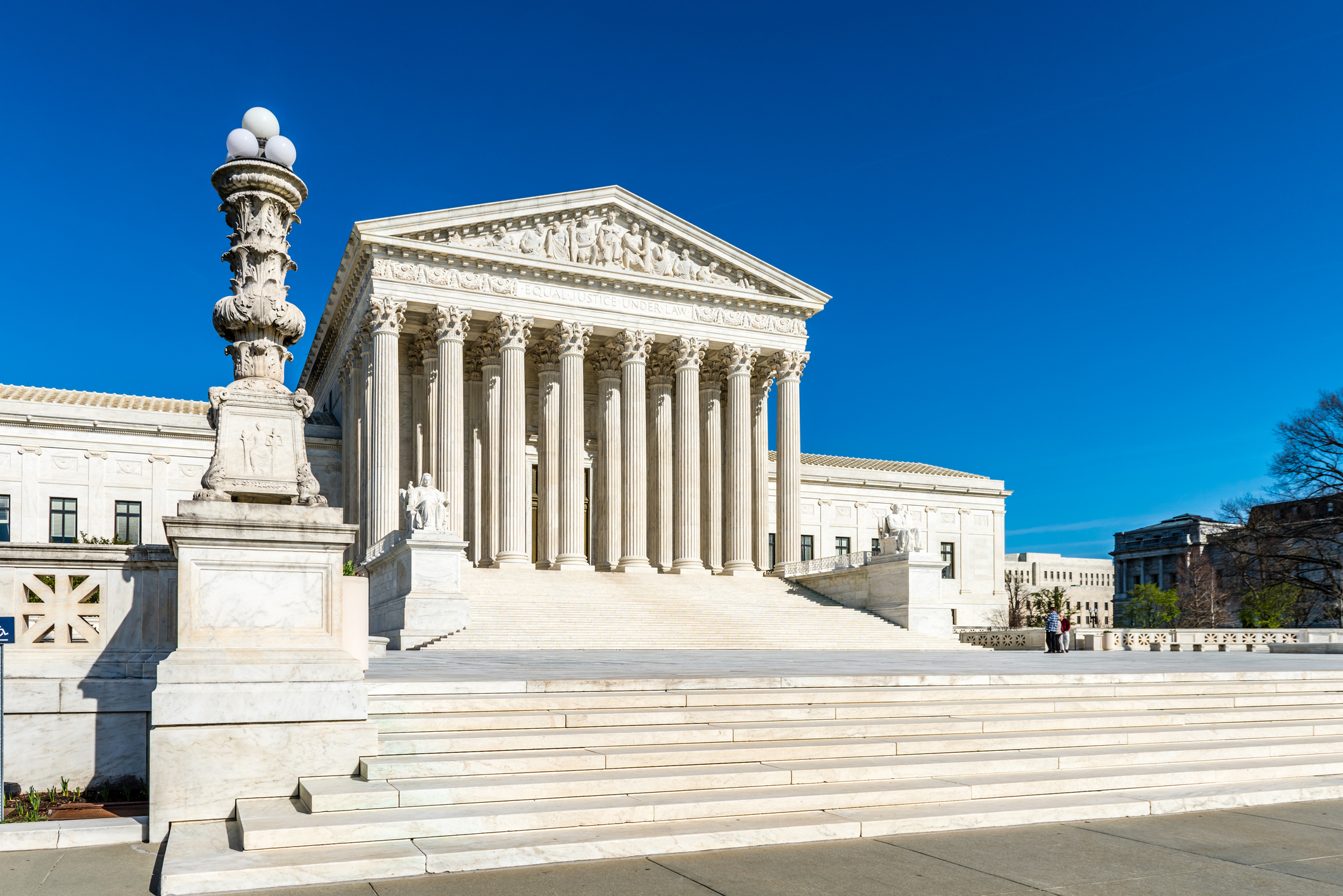
You say ah-mee-kus, I say am-uh-kus. Justice Breyer says ah-my-kus. Tomato, tomahto—either way, the U.S. Supreme Court issued revised rules for
SCOTUS Considers Ninth Circuit Attorney-Client Privilege Case, In re Grand Jury
January 20, 2023
Megan Oliver Thompson
Litigation Practice & Procedure, Privileges
Last week’s arguments before the U.S. Supreme Court included an attorney-client privilege case some are calling “huge.” Whether because of its potentially broad implications in the business community, or the allure of mystery surrounding the backstory involving unnamed parties, a criminal investigation, and expatriation from the U.S., the case provides a good excuse for attorneys practicing in the Ninth Circuit to review the law on attorney-client privilege. The case is

California Attorney Fees Litigation: Top 2022 Cases
December 29, 2022
Megan Oliver Thompson
Litigation Practice & Procedure, Attorney Fees & Costs
The California courts of appeal published dozens of cases addressing attorney fee issues in 2022. A few cases even went to the California Supreme Court. Here are ten of the more important 2022 cases providing useful guidance to litigators claiming or opposing attorney fees in California.

The Cautionary Tales of Gallo, Espinoza, and De Leon: Pay Your Arbitration Fees On Time
December 9, 2022
Megan Oliver Thompson
Litigation Practice & Procedure, Filing & Initiating Arbitration, Arbitration Agreements, Grounds for Recovery of Attorney Fees & Costs
In 2019, the California Legislature added three new provisions to the California Arbitration Act, intending to address what was described as a concerning and troubling trend in arbitration, that of companies refusing to timely pay required arbitration fees in mandatory employee or consumer arbitrations. Under these statutes, employers or companies that fail to timely pay required arbitration fees are in "material breach" of their arbitration agreements, exposing themselves to mandatory monetary sanctions and discretionary evidentiary and contempt sanctions, as well as the unilateral decision of the employee or consumer to proceed, or not, with arbitration.

Navigating the '3AM Darkness' of the 45-Day Motion to Compel Deadline
November 18, 2022
Megan Oliver Thompson
Litigation Practice & Procedure, Discovery, Motions to Compel (Further) Discovery, Review of Discovery Orders by Writ & Appeal
Trial court discovery orders are not, as a matter of course, subject to extraordinary, interim appellate review. But when they are, practitioners should take note -- as in the case of issues of first impression deemed to be of general importance to the trial courts and the legal profession. In

When Is a Coupon a Coupon Under CAFA?
October 28, 2022
Megan Oliver Thompson
Litigation Practice & Procedure, Class Action Settlement (Federal)
Class action litigation continues to abound in California. When class actions settle, courts may only approve those class settlements they find to be fair, reasonable, and adequate for class members, based on several factors outlined in Federal Rule of Civil Procedure 23(e)(2). And for settlements that include coupons instead of cash as payment to class members, courts are required to apply heightened scrutiny and to base attorney fee awards on the redemption value of the coupons, rather than on their face value, under the Class Action Fairness Act ("CAFA").

Better Safe Than Sorry: Mind the Safe Harbor Rule Before Filing a Motion for Sanctions
October 7, 2022
Megan Oliver Thompson
Litigation Practice & Procedure
Two recent California court of appeal cases serve as good reminders of the importance of complying with the safe harbor rule when filing a motion for sanctions under Code of Civil Procedure sections 128.5 or 128.7. In

To Zoom or Not To Zoom: Practice Tips for Remote Evidentiary Hearings and Trials
September 16, 2022
Megan Oliver Thompson
Litigation Practice & Procedure, Evidentiary Issues, Trial
By now, we can assume that most litigation attorneys have appeared in court via Zoom, or some other remote video technology. Likely far fewer have participated in a virtual evidentiary hearing or trial. Given the likelihood that remote appearances are here to stay, at least to some degree, here are some practical considerations when asking the question, to Zoom or not to Zoom, in an evidentiary hearing or trial.

Despite Availability of Remote Testimony, Witness Location Remains Important in Motions to Change Venue
August 26, 2022
Megan Oliver Thompson
Litigation Practice & Procedure, California State Court Venue, Motions to Change Venue
Are motions to change venue, based on convenience of the witnesses, a "relic of the past" in light of the availability of remote testimony? No, says the First District Court of Appeal,

Grande v. Eisenhower Medical Center: The California Supreme Court's Latest Lesson on Claim Preclusion
August 5, 2022
Megan Oliver Thompson
Business Litigation, Employment Law, Litigation Practice & Procedure, Class Actions, Judgments & Verdicts
The California Supreme Court recently resolved a tension in the caselaw concerning the question of when two parties are "in privity" for purposes of claim preclusion (formerly known as res judicata). In
No documents found.
No programs found.
No secondary sources available.
Scroll to TopCopy the link below: