

CEB Contributor
Katherine Gallo
at N/A
is an expert in complex discovery issues and is actively involved in Alternative Dispute Resolution (ADR) as a Discovery Referee, Mediator, and Arbitrator in Northern California since 1994. Since 2010, she has authored a blog on discovery titled . Ms. Gallo has served as a court-appointed or party-selected private Discovery Referee or Special Master for over 25 years in the areas of construction defect, product liability, insurance, employment, personal injury, and family law, many with multiple party litigants, including class actions. Well known to the judiciary, her court appointments in complex matters have come from the Superior Courts throughout the state.
CEB Region:
N/APractice Areas:
N/A-

Proving That the Opposing Party's Accusations Are False Is Like Peeling an Onion
October 20, 2023
Katherine Gallo
Litigation Practice & Procedure, Discovery
Scenario:

'You Harm Your Client’s Interest When You Craft or Transmit Evasive Discovery Responses'
July 13, 2022
Katherine Gallo
Litigation Practice & Procedure, Discovery
That's what the Eighth Division of California's Second District Court of Appeal said in their opinion in

Does the 45-Day Rule Apply When No Privilege Log Was Served?
June 1, 2022
Katherine Gallo
Litigation Practice & Procedure, Discovery
Recently I was contacted by an attorney who asked:

What To Do When You Get Bombarded With Discovery
May 26, 2022
Katherine Gallo
Litigation Practice & Procedure, Discovery
Have you ever been in any of these situations?

What Lawyers Are Getting Wrong in Virtual Depositions
March 9, 2022
Katherine Gallo, Suzanne Marie Martin
Litigation Practice & Procedure, Discovery, Depositions
The COVID-19 pandemic has fundamentally changed the way in which depositions are conducted. Most depositions throughout California are now conducted remotely, on virtual conferencing platforms, rather than in person, which was the

Do You Know How To Use Rebuttal Expert Witnesses?
February 28, 2022
Katherine Gallo
Litigation Practice & Procedure, Discovery, Expert Discovery, Evidentiary Issues, Witnesses
Many lawyers use the terms “supplemental expert” and “rebuttal expert” interchangeably, but according to the Discovery Act, they are very different. A supplemental expert is one that was disclosed twenty days after experts have been disclosed, and is pursuant to Code of Civil Procedure section 2034.280 and allowed to provide expert testimony. However, a rebuttal expert’s testimony is limited to rebutting or contradicting an opponent’s expert’s “foundational facts” that form the basis of their opinion.

So You Forgot To Serve Your Expert Disclosure. Now What?
February 7, 2022
Katherine Gallo
Litigation Practice & Procedure, Discovery, Expert Discovery
If a party failed to serve their expert disclosure statement on time, they may bring a motion pursuant to

The Other Side Retained Your Consultant. Should They Be Disqualified?
January 31, 2022
Katherine Gallo
Litigation Practice & Procedure, Discovery, Expert Discovery
In

You Must Be Diligent in Discovery To Get a Motion for Summary Judgment Continued
September 22, 2021
Katherine Gallo
Litigation Practice & Procedure, Discovery
On July 29, in

Using the Supplemental Expert Disclosure Procedure During Discovery
July 12, 2021
Katherine Gallo
Litigation Practice & Procedure, Discovery, Expert Discovery
Sometimes, when you follow the rules regarding the expert witness demand and the initial expert witness disclosure and declaration, and are now in receipt of opposing party’s expert disclosure, you find that the opposing party plans to call experts at trial in a subject area that you assumed wouldn’t require expert testimony, or that you hadn’t anticipated. If you didn’t disclose experts on the subject, you can serve a Supplemental Expert Disclosure within 20 days of the exchange of expert witness disclosure.

50 Days Before Trial? It's Expert Disclosure Time
June 2, 2021
Katherine Gallo
Litigation Practice & Procedure, Discovery, Expert Discovery
If a party has timely served a Demand for Simultaneous Exchange of Expert Trial Witness Information pursuant to Code of Civil Procedure section 2034.210, then “all parties who have appeared in the action shall exchange information concerning expert witnesses in writing on or before the date of exchange specified in the demand.”(Code Civ. Proc., § 2034.260(a).) Unless there is a court order specifying otherwise, that date for the simultaneous exchange is 50 days before the initial trial date, or 20 days after service of the demand, whichever is closer to the trial date. (Code Civ. Proc., § 2034.230(b).)

Discovery Games: What's Wrong With This Document Response?
May 13, 2021
Katherine Gallo
Litigation Practice & Procedure, Discovery
Recently I saw the following document response, and without even looking at the document request I knew that the response was bad and a motion to compel further responses would need to be filed:

Follow These Statutes In Expert Witness Disclosure
April 21, 2021
Katherine Gallo
Litigation Practice & Procedure, Discovery, Expert Discovery
From the courts’ and Legislature’s perspective, the purpose of discovery is to exchange information between the parties so each side can evaluate their strengths and weaknesses of their case, so that they are able to resolve the case or, if settlement is not possible, to safeguard against surprise at trial to avoid unnecessary delays and appeals. From the parties’ perspective, the purpose is to obtain as much as you need from your opponent on the strengths and weaknesses of their case. Most critical to this process is taking the depositions of opposing parties’ experts.

Do You Have a Discovery Plan?
March 17, 2021
Katherine Gallo
Litigation Practice & Procedure, Discovery
As a discovery referee, I normally come into cases when there's already a problem. Either discovery in the case is out of control, or the antagonism among counsel is so great that the law and motion judge is done dealing with the parties. In many instances, I see an all-out war between counsel, with discovery being used as a weapon. The meet and confer process has broken down into a rampage of insults. Yet nobody has bothered asking the demanding party the fundamental question, “Why do you need this?”

To Facilitate the Process, Serve Your Discovery in Electronic Form
March 10, 2021
Katherine Gallo
Litigation Practice & Procedure, Discovery
The biggest burden in bringing motions to compel further responses is the preparation of the separate statement of items in dispute pursuant to California Rules of Court, rule 3.1345. In my blogs and at seminars, I have

Can a Motion for Protective Order Be Filed After the Court Has Issued Its Order?
March 1, 2021
Katherine Gallo
Litigation Practice & Procedure, Discovery, Motions for Protective Orders & Filing Under Seal
About a year ago I received an inquiry from a lawyer stating:

In Discovery, Nail Down Whether the Documents You're Seeking Ever Existed -- and Where They Are Now
February 3, 2021
Katherine Gallo
Litigation Practice & Procedure, Discovery, Requests for Production of Documents
Assume you receive the following response to your Request for Production of Documents:
You Don’t Need Exceptional Circumstances to Get More Time to Take a Deposition
January 27, 2021
Katherine Gallo
Litigation Practice & Procedure, Discovery, Depositions
Effective Jan. 1, 2013 and subject to certain exceptions, the duration of a witness deposition was limited to seven hours of total testimony in California. (Code Civ. Proc., § 2025.290(a).) The limitation made the California statute consistent with existing federal law, which has a similar seven-hour rule. (See F.R.C.P. Rule 30(d)(1).)
Get Your Cost of Proof Sanctions Here!
December 28, 2020
Katherine Gallo
Litigation Practice & Procedure, Discovery, Requests for Admissions, Discovery Sanctions
The legislative intent behind requests for admissions is to urge parties to take them seriously. One of the real statutory kickers is the cost of proof sanctions set out in

How to Handle the Discovery Motion with Teeth
December 7, 2020
Katherine Gallo
Litigation Practice & Procedure, Discovery, Discovery Sanctions
After a long stretch of depositions coupled with intense mediation sessions, you finally have a day in the office to clean off your desk and catch up on your other cases. Going through the stacks of mail, you unfortunately find a motion to have admissions be deemed admitted -- aka the discovery motion with teeth. Panic sets in. Now what do you do?

Requests for Admissions: The Motions
December 2, 2020
Katherine Gallo
Litigation Practice & Procedure, Discovery, Requests for Admissions
There are three motions that you can bring related to requests for admissions: (1) a motion to compel answers, (2) a motion to have admissions deemed admitted, and (3) a motion to compel further responses. All of them have their place in your discovery plan, but the last two must be in your arsenal. Though they appear to be the same motions you would use for interrogatories, inspection demands, and depositions, there are a few noteworthy twists and turns.

Answering Requests for Admissions: Beware of the Traps
November 18, 2020
Katherine Gallo
Litigation Practice & Procedure, Discovery, Requests for Admissions
Answering requests for admissions is very similar to answering interrogatories -- you have an obligation to respond in good faith and you have to be careful about your garbage objections. However, the code makes it clear that the requirements in responding to requests for admissions are higher.

How to Write Requests for Admissions
November 4, 2020
Katherine Gallo
Litigation Practice & Procedure, Discovery, Requests for Admissions
Requests for admissions may be used to (1) establish the truth of specified facts, (2) admit a legal conclusion, (3) determine a party’s opinion relating to a fact, (4) settle a matter in controversy, and (5) admit the genuineness of documents. See Code of Civil Procedure section 2033.010;
Consider Using Requests for Admissions in Your Discovery Plan
October 28, 2020
Katherine Gallo
Litigation Practice & Procedure, Discovery, Requests for Admissions
If you're like most lawyers, you're using the typical discovery devices to gather your information: form interrogatories, special interrogatories, requests for production of documents, and of course the deposition schedule from hell. However, requests for admissions are rarely in a party’s discovery plan. I suggest you take a closer look at Code of Civil Procedure section 2033.010

Can You Videotape Opposing Counsel During a Deposition?
October 5, 2020
Katherine Gallo
Litigation Practice & Procedure, Discovery, Depositions
For years, parties have videotaped both the deponent as well as the lawyer asking the questions during a deposition. The purpose is to provide a split screen video to the jury at trial which would simultaneously show the questioner and the deponent in real time. But is it permissible? As demonstrated below, the answer is “No”, unless the parties stipulate or the court orders it upon the showing of good cause.

When Opposing Counsel Is Blowing Smoke
September 23, 2020
Katherine Gallo
Litigation Practice & Procedure, Discovery
So a plaintiff's counsel writes in asking you for advice in a personal injury case:
Aren't I Entitled to a Privilege Log?
September 16, 2020
Katherine Gallo
Litigation Practice & Procedure, Discovery
A party’s ability to request documents from the other side is one of most important tools in any discovery plan. Depositions are useful, but memories can fade and witnesses’ recollections can be wrong. Interrogatories and requests for admission are responded by the attorney and are usually answered to support a claim or defense.
If the Plaintiff's Bill of Particulars Is Improper, Bring a Motion or You Waive Your Objections
September 9, 2020
Katherine Gallo
Litigation Practice & Procedure, Discovery
As covered in a previous

How a Demand for Bill of Particulars Can Help Your Discovery Strategy in a Contract Case
August 31, 2020
Katherine Gallo
Business Litigation, Litigation Practice & Procedure, Discovery
What discovery methods do you consider when you're strategizing about the most effective method to obtain the information you need and pin down your opponent? If you have a contract case, think about serving a demand for bill of particulars.
Know Your Audience
August 24, 2020
Katherine Gallo
Litigation Practice & Procedure, Discovery
Recently at an MCLE seminar, a sitting judge forewarned the audience that judges come from a variety of legal backgrounds, and often they don’t have the necessary background on law and procedures for their department. His advice: "Come to your hearings with copies of all the important cases and statutes, no matter how basic the concept is."

How Much Is That Discovery Motion in the Window?
August 19, 2020
Katherine Gallo
Litigation Practice & Procedure, Discovery, Motions to Compel (Further) Discovery
The

If Meet and Confer Fails, Ask for Help
August 12, 2020
Katherine Gallo
Litigation Practice & Procedure, Discovery
Effective Jan. 1, 2019,

Exhibit A: The Meet and Confer Letter
August 5, 2020
Katherine Gallo
Litigation Practice & Procedure, Discovery
The purpose of the “meet and confer” requirements set forth in California Code of Civil Procedure sections 2025.450(b)(2), 2025.480, 2030.300(b), 2031.310(b), 2032.250, and 2033.290 was for the lawyers to revisit their position, and in good faith, discuss a resolution in order to avoid unnecessary discovery motions.
Why These Discovery Objections Are Garbage
July 29, 2020
Katherine Gallo
Litigation Practice & Procedure, Discovery, Requests for Production of Documents
In a previous

Start Preparing Your Discovery Motion, Because With These Responses You’re Going to Court
July 22, 2020
Katherine Gallo
Litigation Practice & Procedure, Discovery, Requests for Production of Documents , Motions to Compel (Further) Discovery
Have you noticed that you're getting too many objections and very little documents to your document requests? Have you also noticed that despite months of meet and confers you still don’t have a determination whether or not documents exist -- and if they do exist, why they aren’t being produced? Is this scenario more the norm than the exception?
When Will My Discovery Motion Be Heard? (Part 3 of 3)
July 15, 2020
Katherine Gallo
Litigation Practice & Procedure, Discovery
This article is Part Three of three-part series. Part One can be found

When Will My Discovery Motion Be Heard? (Part 2 of 3)
July 8, 2020
Katherine Gallo
ADR, Litigation Practice & Procedure, Discovery
This article is Part Two in a three-part series. You can read Part One

When Will My Discovery Motion Be Heard? (Part 1 of 3)
July 1, 2020
Katherine Gallo
Litigation Practice & Procedure
This article is Part One of a three-part series. Part Two can be found
Procedural Issues When Using a Referee During COVID-19
June 9, 2020
Katherine Gallo
Litigation Practice & Procedure
This article is Part Three of a three-part series. Part One can be found
Referee Reports and COVID-19: Requirements, Review, and Effect
May 28, 2020
Katherine Gallo
Litigation Practice & Procedure
This article is Part Two of a three-part series. Part One can be found
Civil Litigation and COVID-19: Justice Need Not Be Delayed
May 12, 2020
Katherine Gallo
Litigation Practice & Procedure
This article is Part One of a three-part series. Part Two can be found
-
Meet and Confer Letter: Deficiencies in Responses to Form and Special Interrogatories
Litigation Practice & Procedure, Discovery, Form Interrogatories, Special Interrogatories
This meet and confer letter addresses deficiencies in responses to form and special interrogatories. This standard document is for illustrative purposes only and should not be used without careful research and adaptation for the facts and circumstances of the instant case or matter.
-
Meet and Confer Letter: Deficiencies in Responses to Requests for Production of Documents
Litigation Practice & Procedure, Discovery, Requests for Production of Documents
This meet and confer letter addresses deficiencies in responses to requests for production of documents. The following standard document is for illustrative purposes only and should not be used without careful research and adaptation for the facts and circumstances of the instant case or matter.
-
Strategic Considerations in Drafting Discovery Deficiency Letters (Meet and Confer)
Litigation Practice & Procedure, Discovery
This Strategy Note addresses what is a good faith meet and confer and offers tips on meeting and conferring with opposing counsel. Counsel should check the appropriate state court websites to verify the most recent local rules, standing orders, and other relevant information.
-
Notice of Motion and Motion to Compel Discovery and Supporting Pleadings
Litigation Practice & Procedure, Discovery, Motions to Compel (Further) Discovery
This Plaintiff’s Motion to Compel Further Responses to various discovery includes a (1) Notice of Motion; (2) Memorandum of Points and Authorities; (3) Meet and Confer Declaration pursuant to Code of Civil Procedure section 2016.040; (4) Separate Statement of items in dispute in compliance with California Rules of Court, rule 3.1345; and (5) Proposed Order. The standard document is for illustrative purposes only and should not be used without careful research and adaptation for the facts and circumstances of the instant case or matter.
-
Strategic Considerations in Drafting Motions to Compel
Litigation Practice & Procedure, Discovery, Motions to Compel (Further) Discovery
This Strategy Note addresses considerations in drafting each of these documents as well as helpful hints in filing a motion to compel (further) responses. Counsel should check the appropriate state court websites to verify the most recent local rules, standing orders, and other relevant information.
-
Strategies in Drafting and Objecting to Declarations for Additional Special Interrogatories
Litigation Practice & Procedure, Discovery, Special Interrogatories
This Strategy Note addresses strategies in drafting and objecting to declarations for additional special interrogatories. Counsel should check the appropriate county or federal websites to verify the most recent local rules, standing orders, and other relevant information.
-
Strategic Considerations in Drafting Privilege Logs
Litigation Practice & Procedure, Discovery, Requests for Production of Documents
This Strategy Note addresses the requirements in responding to requests for production of documents as well as best practices in drafting privilege logs. Counsel should check the appropriate state court websites to verify the most recent local rules, standing orders, and other relevant information.
-
Strategies for Utilizing Requests for Admissions
Litigation Practice & Procedure, Discovery, Requests for Admissions
This Strategy Note addresses the purpose of requests for admissions, the statutory requirements for requests for admissions, and helpful hints and strategies for drafting these requests. Counsel should check the appropriate state court websites to verify the most recent local rules, standing orders, and other relevant information.
-
Strategies for Drafting and Objecting to Declarations for Additional Requests for Admission
Litigation Practice & Procedure, Discovery, Requests for Admissions
This Strategy Note addresses strategies in drafting and objecting to declarations for additional requests for admissions. Counsel should check the appropriate county or federal websites to verify the most recent local rules, standing orders, and other relevant information.
-
Generic Requests for Admissions
Litigation Practice & Procedure, Discovery, Requests for Admissions
This generic requests for admissions (RFA) is adaptable for any civil litigation. The following standard document is for illustrative purposes only and should not be used without careful research and adaptation for the facts and circumstances of the instant case or matter.
-
Declaration for Additional Special Interrogatories
Litigation Practice & Procedure, Discovery, Special Interrogatories
This declaration for additional special interrogatories is by a party seeking to propound more than 35 specially prepared interrogatories. This standard document is for illustrative purposes only and should not be used without careful research and adaptation for the facts and circumstances of the instant case or matter.
-
Generic Privilege Log
Litigation Practice & Procedure, Discovery, Requests for Production of Documents
‘This privilege log demonstrates a standard format commonly used by practitioners to easily claim a privilege when responding to discovery requests. The following standard document is for illustrative purposes only and should not be used without careful research and adaptation for the facts and circumstances of the instant case or matter.
-
Declaration for Additional Requests for Admissions
Litigation Practice & Procedure, Discovery, Requests for Admissions
This declaration is for additional requests for admissions by a party seeking to propound more than 35 requests for admissions. The following standard document is for illustrative purposes only and should not be used without careful research and adaptation for the facts and circumstances of the instant case or matter.
-
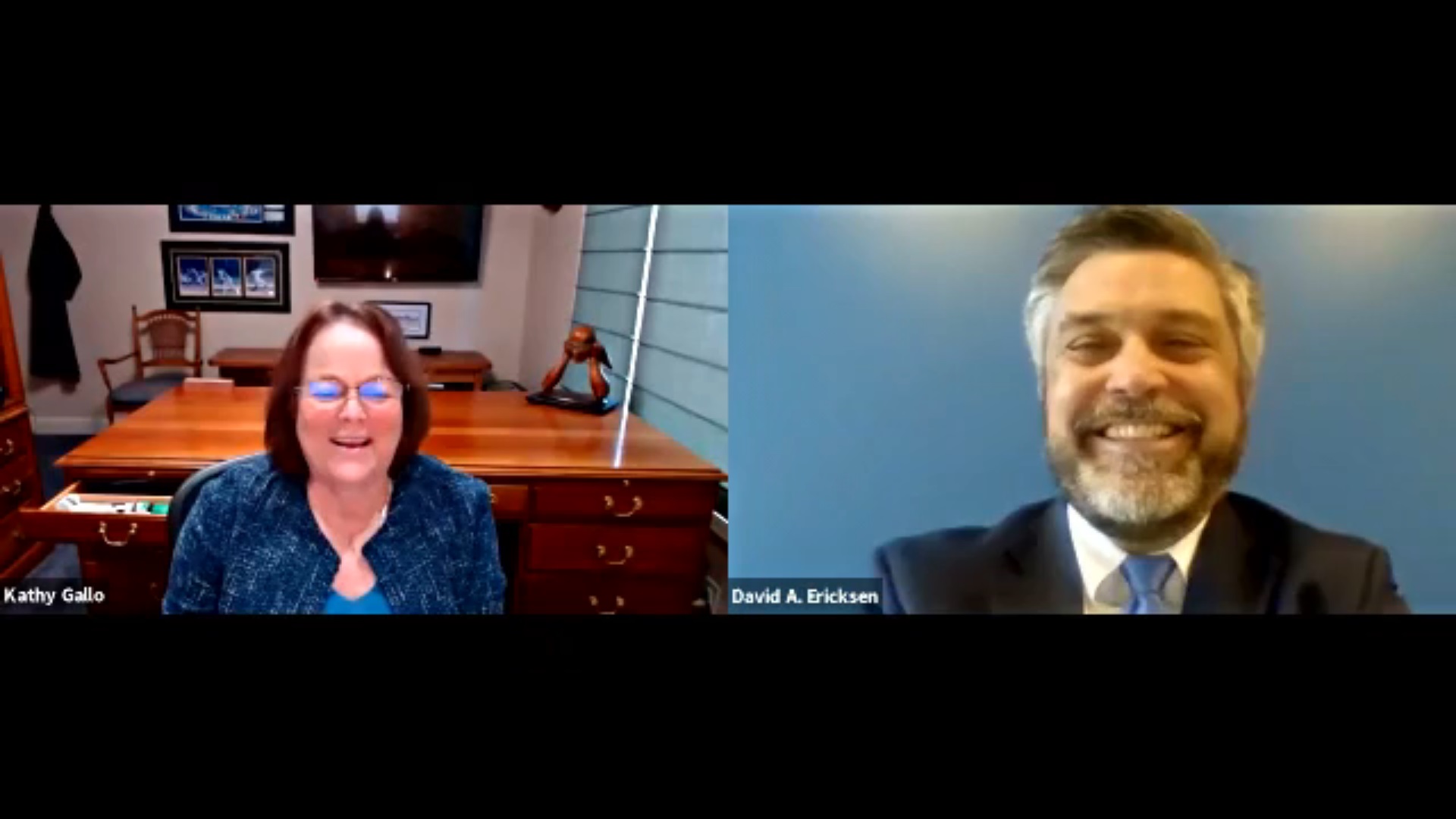
Basics of Personal Injury: Building a Discovery Plan
Katherine Gallo
July 22, 2021
Join two of California’s top experts on discovery for an informative discussion focused on building a discovery plan in a personal injury case. Discovery Referee, Kathy Gallo and trial attorney David Ericksen, will take you through the steps of planning discovery in your case from beginning discovery to trial.
Personal Injury
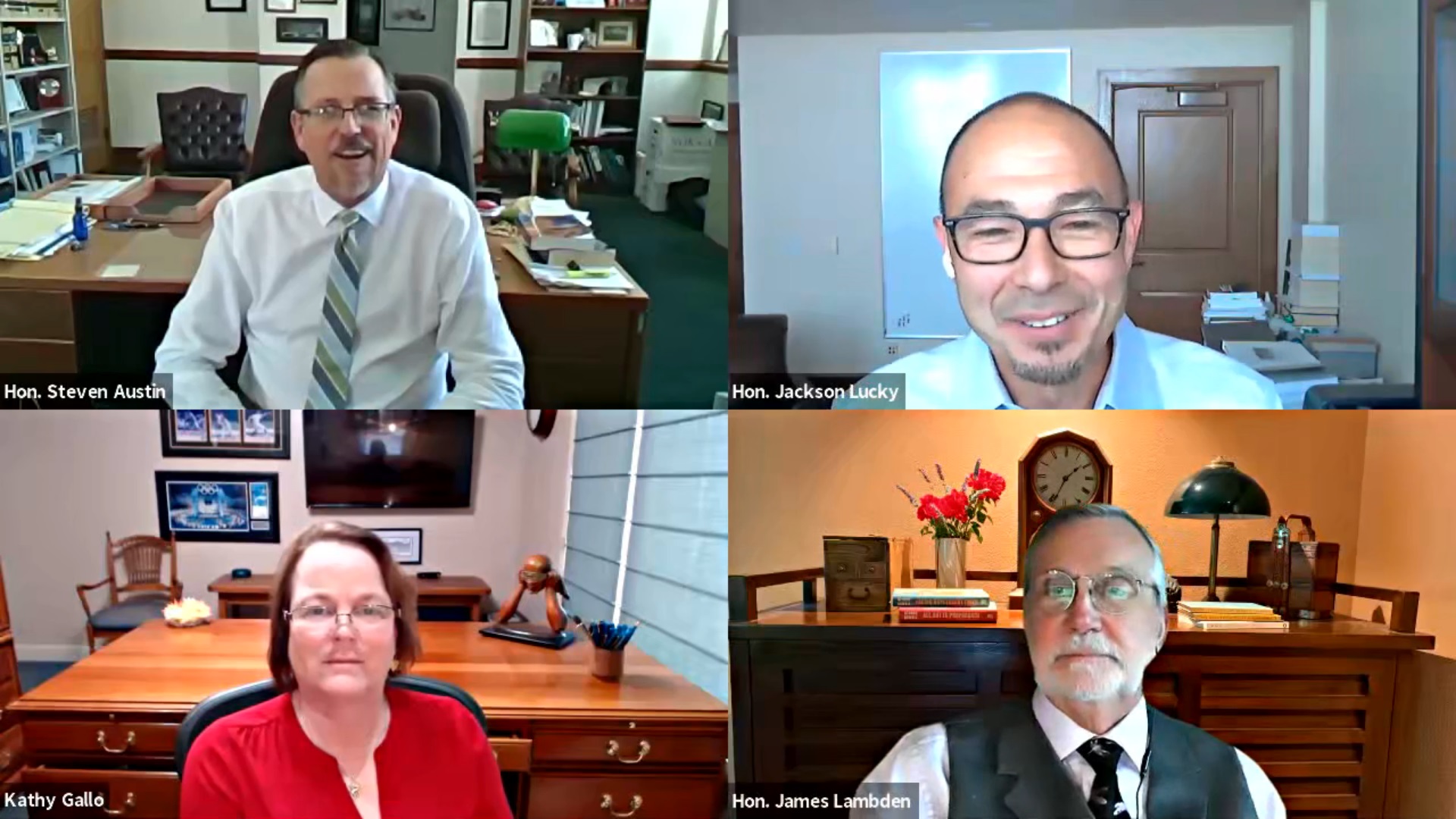
Civil Litigation and COVID-19: Justice Need Not Be Delayed
Lewis Jackson Lucky IV
September 18, 2020
CEB is honored to present this all-star panel of instructors: Justice James Lambden (Ret. ), Judge Steven Austin, Judge Jackson Lucky and Discovery Referee Kathy Gallo, who discuss how you can move your civil case along with the help of a Referee.
Litigation Practice & Procedure
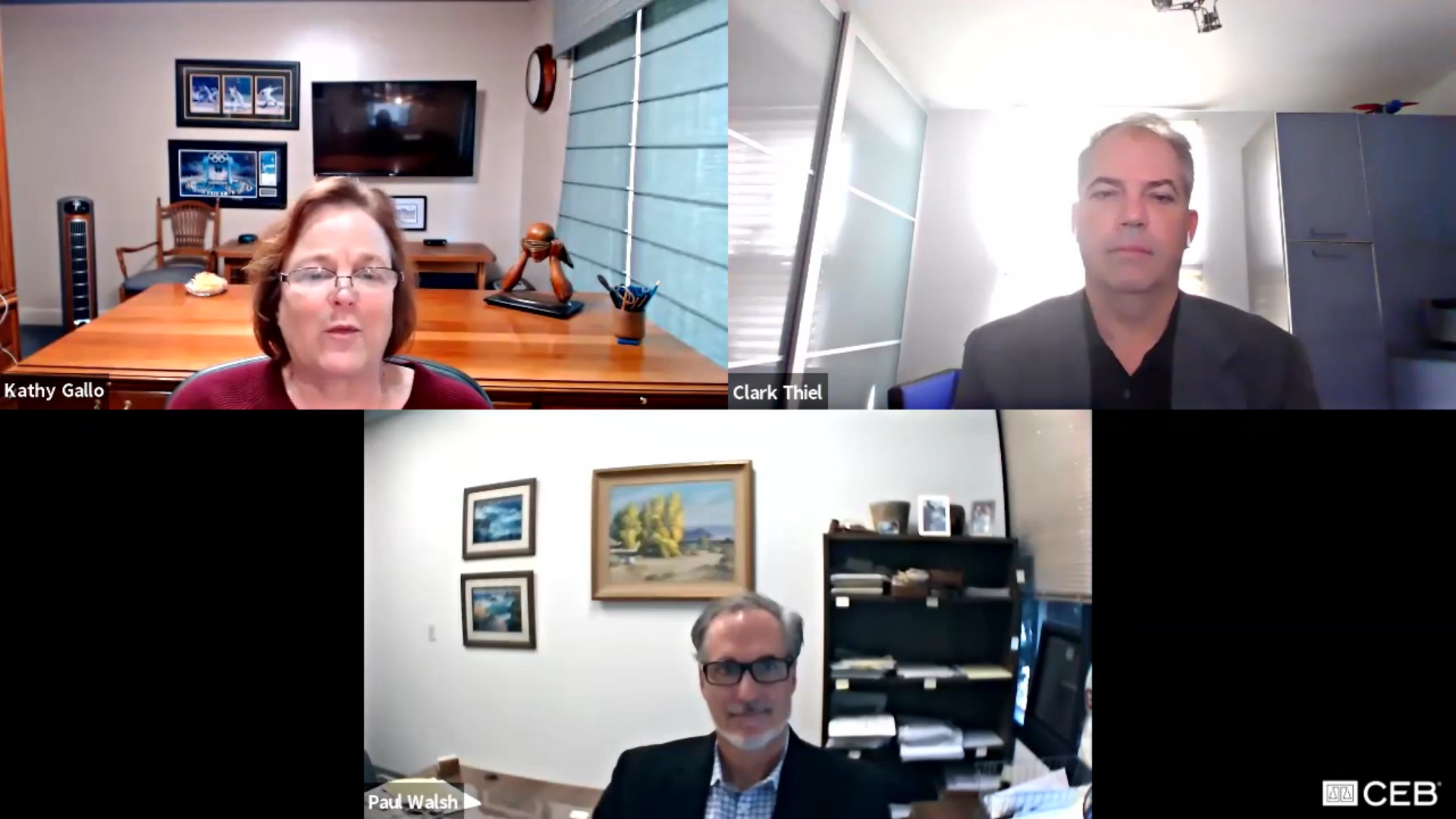
New Rules of Discovery in State Court - Discussion Moderated by Kathy Gallo
Clark T Thiel
August 25, 2020
Discovery Referee, Special Master, and Mediator, Kathy Gallo, moderates this discussion about the new rules of discovery in California state court. Joining Kathy are two of California's top trial attorneys, Pillsbury partner Clark Thiel and McNamara partner, Paul Walsh.
Litigation Practice & Procedure
No secondary sources available.
Scroll to TopCopy the link below: