

CEB Contributor
David Muellenhoff
Content Attorney at Continuing Education of the Bar (CEB)
David Muellenhoff is a content attorney for CEB, focusing on commercial transactions. He currently serves as editor of several of CEB's legal treatises on privacy, business transactions, and business entity formation. Mr. Muellenhoff also works on CEB's Practitioner product line, and previously served as editor of CEB's "California Business Law Reporter" periodical.
For the 15 years before he joined CEB in 2019, Mr. Muellenhoff served as general counsel for a privately-held conglomerate comprising various commercial enterprises and commercial properties nationwide, including highly-regulated consumer-finance and consumer-debt businesses and nationally franchised restaurants. His experience included a broad variety of commercial transactions and acquisitions; regulatory audits and investigations; business and consumer litigation; and real estate and employment matters. Prior to that, Mr. Muellenhoff served in corporate counsel roles for publicly-traded media and data companies Pinnacor and Stockpoint, and as director for D-M Information Systems, a litigation-support firm.
Mr. Muellenhoff is an Eagle Scout and has a demonstrated commitment to public service. He has served in leadership roles with several government and community nonprofit boards and commissions, including the Livermore Housing Authority and Tri-Valley Housing Opportunity Center, among others.
CEB Region:
Bay Area RegionPractice Areas:
Business Transactions
Content by David Muellenhoff
-

Unintended Consequences Come With California’s New Law Tackling Fraudulent UCC Financing Statements
October 19, 2026
David Muellenhoff
Business Transactions, Secured Personal Property Transactions, Security Interests, Priority Issues
On Sept. 27, Gov. Gavin Newsom signed

FCC Clarifies TCPA Consent Revocation Rule, Likely Curbing Wave of Litigation
September 23, 2026
David Muellenhoff
Administrative Law, Business Litigation, Privacy & Information Security
Following input from consumer advocates and a broad swath of industry stakeholders, the FCC revealed its revisions to the rule governing exactly how consumers may block so-called robocalls and robotexts by revoking their consent to receive them. The revised rule provides clear and definitive methods for consumers to revoke consent that businesses can incorporate into their compliance procedures; resolves industry concerns about potential conflicts with other statutes and regulations; and will likely eliminate a recent wave of TCPA litigation arising from the earlier rule’s broad revocation language.

Stripped-Down CIPA Reform Bill SB 690 Goes to Governor's Desk
September 3, 2026
David Muellenhoff
Business Litigation, Privacy & Information Security
Originally intended to provide comprehensive reform to curb the recent flood of shakedown letters and lawsuits under the California Invasion of Privacy Act (CIPA) (Pen. Code, §§ 630-638.55),
Wolford v. Lopez: The Supreme Court Stakes Hawaii's Concealed-Carry 'Vampire Rule' Through the Heart
August 13, 2026
David Muellenhoff
Appellate Law, Constitutional Law, Criminal Law
From folklore to the pages of Bram Stoker’s “Dracula” and beyond, the vampire has always needed an invitation; the creature is powerless to cross the threshold without one. In

AB 2047 Would Require 'Firearm Blocking Technology' in Every 3-D Printer Sold in California
June 30, 2026
David Muellenhoff
Constitutional Law, Criminal Law, Privacy & Information Security
California's proposed

Freight Brokers Lose Their FAAAA Shield: Supreme Court Allows Negligent Hiring Suits Under State Law
June 11, 2026
David Muellenhoff
Administrative Law, Business Litigation, Immigration Law, Insurance Law
From legendary keelboatman Mike Fink, to the Bandit from the classic film “Smokey and the Bandit,” and even to Han Solo in Star Wars’ Millennium Falcon, the independent commercial freight hauler riding the rivers, roads or spaceways is an iconic American figure ranking with the Western cowboy in both history and myth. In

'Actionable Strategy of Deception': Judge Enjoins 'Kars4Kids' Jingle From Being Broadcast in California
May 21, 2026
David Muellenhoff
Business Litigation
A California judge has

After Sailing Through the California Senate Last Year, CIPA Reform Bill Lingers in the Assembly
May 4, 2026
David Muellenhoff
Business Litigation, Privacy & Information Security
Last summer, CEB

No Longer Free to Choose to Lose: California Quietly Ended Confessions of Judgment
April 9, 2026
David Muellenhoff
Business Litigation, Litigation Practice & Procedure
Four years ago, CEB

SCOTUS to Resolve Circuit Split on Meaning of 'Consumer' in Video Privacy Protection Act
March 19, 2026
David Muellenhoff
Business Transactions, Privacy & Information Security, Types of Privacy Protections, Internet and Electronic Privacy, Information Security Planning, Handling Internet and Electronic Data
A nearly 40-year-old law inspired by the publication of a Supreme Court nominee’s private video rental history is set to be reviewed by the Supreme Court to resolve a circuit split. Could the case play a role in nomination proceedings later this year if a vacancy opens on the high court?

CA Appellate Court Hands Down Interesting Choice-of-Law, Debt Collection Insurance Exemption Rulings in Bagby v. Davis
March 3, 2026
David Muellenhoff
Appellate Law, Business Litigation, Insurance Law, Trusts & Estates, Estate Planning
A California appellate court

Just in Time for Election Season, Ninth Circuit Holds Text Messages With Click-to-Play Video Files Aren't Subject to TCPA
February 11, 2026
David Muellenhoff
Administrative Law, Business Litigation, Privacy & Information Security
It’s common nowadays to receive Multimedia Messaging Service (MMS) text messages from friends with the latest viral video embedded for your entertainment. Earlier Ninth Circuit precedent had implied that telemarketers could not do the same without falling afoul of the Telephone Consumer Protection Act (TCPA). But in a recent opinion dealing with political campaign text messages, the Ninth Circuit clarified that so long as the embedded video or audio file does not play automatically, the TCPA doesn’t apply.

Ninth Circuit Rules California's Open Carry Ban in Urban Areas Is Unconstitutional
January 16, 2026
David Muellenhoff
Constitutional Law, Criminal Law
The U.S. Supreme Court’s decision in

This Year, California Courts Declined to Extend Federal Standing Requirements to FDBPA, Other State Law Debt Collection Claims
December 23, 2025
David Muellenhoff
Appellate Law, Business Litigation, Litigation Practice & Procedure
In a string of cases, many involving debt buyer Velocity Investments, California appellate courts have declined this past year to extend the standing analysis of the Fifth District Court of Appeal's 2022 holding in

Ninth Circuit: Federal Trade Commission Can Seek Damages Under Section 19 of FTC Act
December 10, 2025
David Muellenhoff
Administrative Law, Business Litigation
More than four years ago, the U.S. Supreme Court’s bombshell unanimous ruling in

Delete, Delete, Delete! FCC Adopts Notice of Public Rulemaking to Streamline TCPA Regulations
November 12, 2025
David Muellenhoff
Administrative Law, Business Litigation
Pursuant to the Federal Communications Commission's

Supreme Court Will Review Second Amendment Case Challenging the Ninth Circuit's Concealed-Carry 'Vampire Rule'
October 21, 2025
David Muellenhoff
Constitutional Law, Criminal Law
It’s a Halloween-themed cert grant! On Oct. 3, the U.S. Supreme Court
SCOTUS Will Consider Overruling the 90-Year-Old Administrative Law Precedent Humphrey's Executor
September 30, 2025
David Muellenhoff
Administrative Law, Constitutional Law
In a seismic 6-3 vote, the Supreme Court decided last week to consider whether the seminal administrative law case

Ninth Circuit Revives Second Amendment Claims Against LA for Pre-Bruen Concealed-Carry Arrests
September 10, 2025
David Muellenhoff
Administrative Law, Constitutional Law, Criminal Law, State & Local Government
The wave of Second Amendment challenges to gun control laws following

Federal Jury Finds Meta Liable in CIPA Class Action Over Period-Tracking Data, With Billions at Stake
August 20, 2025
David Muellenhoff
Business Litigation, Criminal Law, Privacy & Information Security
A federal class action jury verdict has found software giant Meta Platforms, Inc. (Meta) violated the California Invasion of Privacy Act (CIPA) with its commonly-used Software Development Kit (SDK) that was embedded in third party Flo Health's Flo app used for tracking women's periods, ovulation, and pregnancy. With millions of Flo users in the class and penalties of $5,000 per CIPA claim, damages could reach $190 billion. Meta seems likely to appeal.

Ninth Circuit Rules That California's Ammunition Background Check Law Is Unconstitutional
July 29, 2025
David Muellenhoff
Constitutional Law, Criminal Law
A divided three-judge panel of the Ninth Circuit Court of Appeals has

This Is the Big One: Supreme Court's TCPA Earthquake Upends the Hobbs Act
July 9, 2025
David Muellenhoff
Administrative Law, Business Litigation
Has the Supreme Court returned us to the “Wild West” days of telemarketing by upending decades of Hobbs Act jurisprudence? The Hobbs Act was a regulator's paradise: unless affected parties challenged an agency's regulation in federal appellate court within 60 days, district courts would be forever bound by it -- or so lower courts had thought. But in its recent 6-3 decision in

California Legislature Considers SB 690 to Relieve Businesses From Flood of CIPA Lawsuits
June 17, 2025
David Muellenhoff
Business Litigation, Privacy & Information Security, Types of Privacy Protections, Internet and Electronic Privacy
Pinch yourself. Is California actually trying to become a more business-friendly state? Coming hot on the heels of last year’s urgency legislation -- intended to limit the

Regulatory Rollback: CFPB Rescinds Dozens of Guidance Documents
May 29, 2025
David Muellenhoff
Administrative Law, Business Litigation
The federal Consumer Financial Protection Bureau (CFPB), under new management and pursuing President Trump’s directives to deregulate and streamline bureaucracy, recently withdrew dozens of regulatory guidance documents. Notable among the documents withdrawn were CFPB policy statements on its expansive interpretation of what constitutes an unfair, deceptive, or abusive act or practice (UDAAP). Many consumer-facing businesses will welcome this development with sighs of relief.
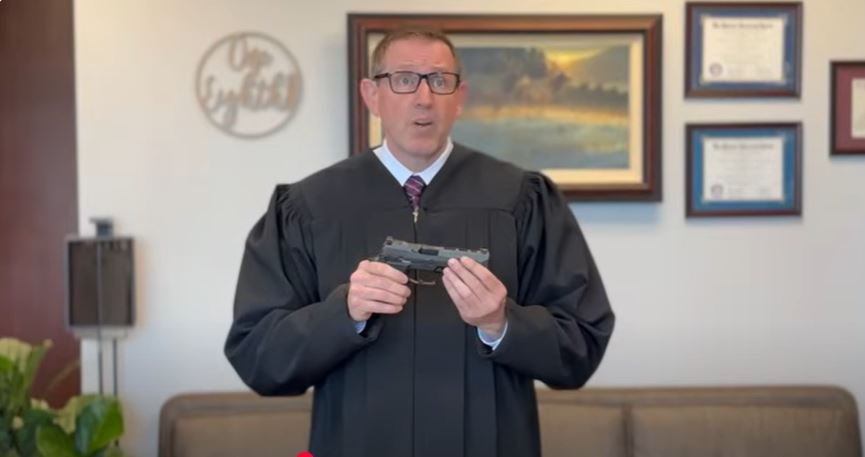
Ninth Circuit Judge Posts First-Ever Video Dissent in Ruling Upholding California's Firearm Magazine Ban
May 7, 2025
David Muellenhoff
Administrative Law, Appellate Law, Constitutional Law, Criminal Law
With speculation mounting that Supreme Court Justices Clarence Thomas or Samuel Alito may step down this summer so that President Trump can nominate younger replacements, the buzz has been focused on potential candidates such as Judge James C. Ho of the Fifth Circuit. But could two unusual developments in Second Amendment caselaw bring the Ninth Circuit’s own Judge Lawrence VanDyke into consideration for a SCOTUS seat? Read on.

FCC Delays Broad TCPA Consent Revocation Rule for 1 Year
April 15, 2025
David Muellenhoff
Administrative Law, Business Transactions, Privacy & Information Security
Last week, just days before the FCC’s new Telephone Consumer Protection Act (TCPA) consent-revocation rule was set to go into effect, the FCC issued a one-year
Treasury Department Announces It Won't Enforce CTA's Beneficial Ownership Reporting Rule Against U.S. Citizens, Domestic Businesses
March 3, 2025
David Muellenhoff, Jennifer E. Dean
Administrative Law, Business Entities, Business Transactions, Constitutional Law, Trusts & Estates
The Corporate Transparency Act (CTA)'s Reporting Rule is effectively dead -- at least for U.S. citizens and domestic U.S. companies and their beneficial owners. With this past weekend's bombshell announcement by the Treasury Department, the government signaled its enforcement priorities under the CTA will shift to foreign business entities and their beneficial owners, providing welcome relief to domestic businesses from an impending reporting deadline.

The CTA's Beneficial Owner Reporting Requirement Is Back in Effect -- With a New Compliance Deadline of March 21, 2025
February 19, 2025
David Muellenhoff
Administrative Law, Business Transactions, Constitutional Law, Trusts & Estates
The Corporate Transparency Act (CTA) and its Reporting Rule requiring most businesses file "beneficial ownership information" (BOI) with FinCEN have been reinstated by a federal district court. FinCEN set a new extended reporting deadline of March 21, 2025. Additional relief is possible, both from bipartisan congressional legislation and from the new administration's expressed intent to revise the regulation, possibly by exempting more businesses from the definition of "reporting companies."
TCPA Update: Impending One-to-One Rule First Suspended by FCC, Then Vacated by Eleventh Circuit
February 5, 2025
David Muellenhoff
Administrative Law, Business Litigation, Constitutional Law, Privacy & Information Security
The Federal Communication Commission (FCC)’s controversial

California's Concealed-Carry Restrictions Likely Headed to SCOTUS After Ninth Circuit Denies Rehearing En Banc
January 21, 2025
David Muellenhoff
Constitutional Law, Criminal Law
California’s post-

Will a Post-Loper Bright Legal Challenge Block the FCC’s One-to-One Consent Rule From Taking Effect January 27?
January 2, 2025
David Muellenhoff
Administrative Law, Business Transactions
There will be major changes to lead generation and third-party marketing industry practices nationwide if the Federal Communications Commission's one-to-one consent rule goes into effect on January 27, 2025. But a case just heard in the Eleventh Circuit may block aspects of the rule, with the Supreme Court's

Federal Judge Finds TCPA Compliance Software With Cryptographic Hashing Doesn't Violate California's Anti-Wiretap Law
December 10, 2024
David Muellenhoff
Administrative Law, Business Litigation, Criminal Law, Privacy & Information Security
The

The FTC's New Rule Governing Online Reviews Is Now in Effect. Businesses Should Make Sure They're Compliant
November 19, 2024
David Muellenhoff
Administrative Law, Business Transactions
On October 21, 2024, the Federal Trade Commission (FTC)’s
In What May Portend a TCPA Administrative Law Earthquake, SCOTUS Takes Up the Hobbs Act
October 29, 2024
David Muellenhoff
Administrative Law, Business Litigation, Constitutional Law
When the U.S. Supreme Court

California Expands Automatic Renewal Law, Imposing New Requirements for Subscription-Based Businesses
October 8, 2024
David Muellenhoff
Administrative Law, Business Transactions
On September 24, California Gov. Gavin Newsom signed

Ninth Circuit Nixes SB 2’s ‘Vampire Rule’ and Some -- But Not All -- of California's Concealed-Carry Restrictions in ‘Sensitive Places’
September 17, 2024
David Muellenhoff
Constitutional Law, Wine & Alcoholic Beverage Law
A Ninth Circuit panel recently
In Another Potential Administrative Law Shakeup, Humphrey’s Executor May Be Headed to SCOTUS
August 27, 2024
David Muellenhoff
Administrative Law, Business Litigation, Constitutional Law
Walmart has called the Federal Trade Commission (FTC)’s lawsuit against it an “unprecedented expansion of the FTC’s authority.” The perhaps unintended consequence of attacking the retail giant in this manner was that Walmart swung for the fences -- it claims the FTC’s very power to litigate is itself unconstitutional. That case may be headed to the Seventh Circuit, with a very similar case out of the Fifth Circuit likely headed to the Supreme Court. Coming on the heels of the high court's decision this summer

The End of Chevron Deference, Part II: Corner Post Opens the Floodgates
August 6, 2024
David Muellenhoff
Administrative Law
Days after the Supreme Court shook the administrative law world by discarding
The End of Chevron Deference, Part I: The Supreme Court's Seismic Ruling in Loper Bright
July 16, 2024
David Muellenhoff
Administrative Law
“

California Enacts Emergency Bill Providing 'Drip Pricing' Relief for Restaurants
July 2, 2024
David Muellenhoff
Business Transactions, Wine & Alcoholic Beverage Law
Gov. Gavin Newsom on Saturday signed

Are Your Business Clients Ready for the End of 'Drip Pricing' in California Starting July 1?
June 25, 2024
David Muellenhoff
Administrative Law, Business Transactions
As of July 1, 2024, it will be unlawful for California businesses to advertise prices to consumers that do not include all mandatory fees or charges, exclusive of government-imposed taxes or fees such as shipping costs. This could result in some startling retail inflationary effects come July 1. At the least, it will dramatically change how many businesses communicate prices to the public. The California Attorney General recently provided some guidance to help businesses comply with the new law.

California Considering Expansion of Automatic Renewal Law
June 4, 2024
David Muellenhoff
Administrative Law
Subscription-based businesses should beware AB 2863 -- a bill that is rapidly moving through California’s legislature. The bill would impose new regulatory requirements for cancellation and consumer consent. It also would expand the targets for regulators’ aim to business's statements about the underlying good or service, not merely statements about the subscription service itself.

New FTC Data Breach Reporting Requirement Takes Effect for Broad Categories of Non-Bank Financial Institutions
May 14, 2024
David Muellenhoff
Administrative Law, Privacy & Information Security, Types of Privacy Protections, Financial Data Privacy, Information Security Planning, Handling Internet and Electronic Data
An amendment to the Federal Trade Commission’s Safeguards Rule took effect on May 13, 2024. It requires financial institutions -- a term that includes what may be a surprising number of non-bank entities -- to report data breaches and other types of security events that affect as few as 500 consumers to the FTC within 30 days, or face severe consequences.

Your Small Business Clients Should Beware FinCEN and Secretary of State Scam Form Mailings
April 23, 2024
David Muellenhoff
Business Entities, Corporations, LLCs, Business Licenses, State of Business Organization, Constitutional Law, Law Practice Management
Attorneys who form business entities for their clients often put themselves down as the entity's registered agent for service of process on the corporate formation documents filed with the Secretary of State. Counsel should be aware that a long-running scare tactic some registered-agent businesses use to hijack entity registrations in order to charge excessive fees has now been extended to FinCEN beneficial ownership filings. Clients may also be confused by the recent federal court ruling that declared the CTA unconstitutional and put that federal reporting requirement in limbo for some -- but not all -- business entities nationwide.
SCOTUS Holds Feds Don't Have Sovereign Immunity From Suit Under FCRA
April 2, 2024
David Muellenhoff
Administrative Law, Business Litigation, Constitutional Law
“What’s sauce for the goose is sauce for the gander,” as the

'The Court Is Not a Helicopter Parent': Lessons and Limitations of Linton v. Bonta
March 12, 2024
David Muellenhoff
Constitutional Law, Criminal Law
Quoting the Third Circuit Court of Appeals to the effect that you don’t lose your Second Amendment rights just because you get a traffic ticket, a federal district court found yet another California firearms statute unconstitutional, in a case with some interesting lessons for litigating under the Supreme Court’s decision in

'They Can Change the Rules, But They Can't Stop the Game': Will Bad Actors Flock to Nonprofits in the Wake of the CTA?
February 20, 2024
David Muellenhoff
Administrative Law, Business Entities, Business Transactions
Business attorneys with a corporate formation practice should be aware that certain potential clients interested in forming a nonprofit business may be seeking to exploit what they will likely perceive as a “loophole” in the Corporate Transparency Act (CTA)’s beneficial owner reporting requirements.

Truth at Least as Strange as Fiction: Practical Privacy Considerations from the Ninth Circuit's U.S. Private Vaults Case
January 30, 2024
David Muellenhoff
Administrative Law, Business Entities, Constitutional Law, Privacy & Information Security
In “The Black Echo,” the first of Michael Connelly’s novels featuring Los Angeles police detective Hieronymous “Harry” Bosch, Bosch foils an attempt by a rogue FBI agent to rob the fictional “Beverly Hills Safe and Lock” private safe deposit box company. A real-life variant of this tale just drew an opinion from the Ninth Circuit Court of Appeals, with some interesting lessons in practical privacy for businesses and business owners.

New Procedural Hurdles When Collecting on Consumer Judgment Debt
January 9, 2024
David Muellenhoff
Business Litigation, Business Transactions, Secured Personal Property Transactions
Debt collectors should be aware that last year California enacted

'Tis the Season to Take Care When Collecting on Time-Barred Debt
December 20, 2023
David Muellenhoff
Business Litigation
Debt collectors should keep in mind that both California and federal law and regulations have different requirements regarding collection of time-barred debt -- that is, debt that has passed its statute of limitations for suit. Interestingly, the Consumer Financial Protection Bureau (CFPB) may be directing its enforcement efforts to time-barred

Understanding California's Coerced-Debt Statute
November 30, 2023
David Muellenhoff
Business Litigation, Litigation Practice & Procedure
Debt collectors should be aware of California’s “coerced debt” statute, intended to protect foster youth, survivors of domestic violence, and elder or dependent adults from coerced or fraudulent debts.

A Yacht, SCOTUS, Choice-of-Law, and...Dracula?
November 7, 2023
David Muellenhoff
Business Litigation, Insurance Coverage, Policyholder actions against insurers, Business Transactions, Business Contract Provisions, Insurance Law
Die-hard Halloween fans lamenting the onset of the winter holidays and wishing to extend the spooky season a bit may find some solace in that the U.S. Supreme Court last month heard oral arguments in a case with echoes of a famous scene from Bram Stoker’s classic horror novel "Dracula
SCOTUS Considers Whether CFPB's Funding Mechanism Is Constitutional
October 17, 2023
David Muellenhoff
Administrative Law, Constitutional Law
The Supreme Court recently

Legislature Passes Digital Asset Amendments to California's Uniform Commercial Code
September 25, 2023
David Muellenhoff
Business Transactions
On August 31, 2023, Senate Bill 95 was passed in the California Senate. It is currently awaiting action by the Governor.

D.C. Circuit Invalidates Copyright Book-Deposit Requirement As an Unconstitutional Taking
September 5, 2023
David Muellenhoff
Administrative Law, Constitutional Law, Intellectual Property
In an interesting development in intellectual property law, on August 29 the Court of Appeals for the District of Columbia Circuit

Ninth Circuit Clarifies Meaning of 'Voice' Under the TCPA
August 15, 2023
David Muellenhoff
Administrative Law, Business Litigation
On Tuesday, Aug. 8, 2023, the Ninth Circuit Court of Appeals ruled in

FTC Targets Online Product Reviews with Proposed New Rule
July 26, 2023
David Muellenhoff
Administrative Law, Business Transactions
The Federal Trade Commission (FTC) is asking for comments on a

In a Win for Forum-Shoppers, SCOTUS Clarifies International Shoe
July 3, 2023
David Muellenhoff
Business Litigation, Constitutional Law, Litigation Practice & Procedure, Jurisdiction, Personal Jurisdiction
In a 5-4 decision on June 27, 2023, the U.S. Supreme Court

SCOTUS Takes Up Chevron Deference
June 13, 2023
David Muellenhoff
Appellate Law, Constitutional Law
The U.S. Supreme Court has agreed to hear next term a direct challenge to

Recent California District Court Rulings Reach Different Conclusions on CIPA Wiretap Applicability to Website Chat Functions
May 23, 2023
David Muellenhoff
Administrative Law, Business Litigation, Privacy & Information Security
Same plaintiff, same statute, same district court. Two judges, two opinions, two different results -- handed down within two weeks of each other.
SCOTUS Rules Federal District Courts May Hear Constitutional Challenges to Agency Proceedings
May 2, 2023
David Muellenhoff
Administrative Law, Constitutional Law
On April 14, 2023, the Supreme Court

FTC Proposes Expanding Negative Option Rules to Business-to-Business Transactions
April 11, 2023
David Muellenhoff
Administrative Law, Business Transactions, Privacy & Information Security
The Federal Trade Commission (FTC) recently announced a notice of proposed rulemaking that would dramatically expand its “negative option” rule from applying to a narrow category of negative option marketing for consumer goods. The FTC's new rule would instead apply to a sweeping variety of business-to-business and consumer marketing, for both goods

Two New Sets of Online Seller Requirements Take Effect June 27 -- and July 1
March 21, 2023
David Muellenhoff
Administrative Law, Business Transactions, Privacy & Information Security
Last September, California enacted new disclosure requirements intended to curb the ease with which organized retail thieves liquidate stolen goods online. But in December, very similar provisions were added at the last minute to the federal omnibus spending bill. Online sellers and marketplaces must soon comply with both measures -- with federal preemption complicating matters.

Is California's Gun Control Regime About To Be Ruled Unconstitutional -- Again?
February 28, 2023
David Muellenhoff
Constitutional Law, Criminal Law
Now that final supplemental briefs have been submitted in several closely-watched cases, many California gun owners are lighting novelty "Saint Benitez" candles in hopes that U.S. District Judge Roger T. Benitez may soon declare the state's key gun-control statutes unconstitutional under the U.S. Supreme Court’s recently articulated

Court Rulings Indicate Commonly Used Website Tracking Software Violates California's Wiretap Statute
February 7, 2023
David Muellenhoff
Administrative Law, Criminal Law, Privacy & Information Security
Last summer the Ninth Circuit Court of Appeals upended the telemarketing world with its bombshell opinion in

The CFPB's Proposed 'Scarlet Letter' Public Databases of Businesses' Compliance Status and Contract Terms
January 18, 2023
David Muellenhoff
Administrative Law, Constitutional Law, Privacy & Information Security
The federal Consumer Financial Protection Bureau (CFPB) recently proposed requiring a broad swath of consumer financial services businesses to report certain terms in their customer agreements to the CFPB for publication in an online registry. It would also require them to register with the CFPB whenever they become subject to certain local, state, or federal consumer financial protection agency or court orders, and to annually report their compliance status with those orders -- information that the CFPB would also publish online.

Will SCOTUS Derail Norfolk Southern by Tunneling a Train-Sized Hole Through International Shoe?
December 28, 2022
David Muellenhoff
Business Litigation, Constitutional Law
Photographer O. Winston Link’s
'An Argument Only the Government Could Love': Axon v. FTC Reaches SCOTUS
December 6, 2022
David Muellenhoff
Administrative Law, Constitutional Law
Claiming the Federal Trade Commission (FTC) has trapped it in an administrative “black hole” that has cost it more than $20 million, Axon Enterprise, Inc. finally had its chance to argue its case against the FTC before the Supreme Court on November 7, 2022. By then, Axon’s costs for defending itself against the FTC had reached almost twice what Axon paid for the underlying acquisition to which the FTC objected, and from which Axon had offered to walk away years before.
CFPB Responds to Fifth Circuit Loss by Appealing Directly to SCOTUS
November 21, 2022
David Muellenhoff
Administrative Law, Constitutional Law
The Consumer Financial Protection Bureau (CFPB) is fighting back against a Fifth Circuit panel’s bombshell ruling that the CFPB’s funding structure is unconstitutional. But rather than appealing the panel’s ruling to the
Humphrey's Executor In the Crosshairs? The CFPB's Devastating Fifth Circuit Loss and Its Implications for FTC v. Walmart
October 25, 2022
David Muellenhoff
Administrative Law, Constitutional Law
The existential implications for the Federal Trade Commission (FTC) of its

FTC v. Walmart: Unintended Consequences?
October 4, 2022
David Muellenhoff
Administrative Law, Business Litigation, Constitutional Law
There may be some unintended consequences for administrative law from the Federal Trade Commission (FTC)’s recent lawsuit against retail giant Walmart Inc. -- because Walmart is swinging for the fences, challenging the constitutionality of the FTC itself.

DFPI's Proposed Consumer Complaint Regulations Draw Industry Criticism
September 13, 2022
David Muellenhoff
Administrative Law, Business Transactions
The federal Consumer Financial Protection Bureau (CFPB) developed its own robust national consumer complaint portal and database as part of its regulatory oversight of consumer finance businesses nationwide. The California Department of Financial Protection and Innovation (DFPI), often referred to as a "Mini-CFPB," seems to be taking a different tack.

New Regulations Incoming for Commercial Financing and Debt Collection Licensing
August 23, 2022
David Muellenhoff
Administrative Law, Business Transactions
On July 15, 2022, the California Department of Financial Protection and Innovation (DFPI) issued a new set of draft regulations implementing the Debt Collection Licensing Act of 2020 (DCLA) This followed on the heels of proposed regulations expanding the DFPI's unfair, deceptive, and abusive acts and practices (UDAAP) authority to commercial financing.

An Emailed Notice of Changed Terms Is Useless Without a Read Receipt
August 2, 2022
David Muellenhoff
ADR, Arbitration of Business Disputes, Business Transactions
The Ninth Circuit's recent

CFPB Invalidates Separate Convenience-Fee Agreements for Debt Collectors
July 13, 2022
David Muellenhoff
Administrative Law, Business Transactions
Let's say that it's time to make your mortgage payment, but too late for you to send payment by check. Your mortgage servicer offers helpful alternatives -- you can pay by phone or via its online website. But it charges a fee for the convenience -- say, $5 to pay online, and $10 to pay by phone. Generally, such "convenience fees" aren't covered in mortgage agreements or similar agreements establishing a debt. Instead, debtors are usually asked to agree to such convenience fees in a separate "convenience-fee agreement" with the servicer or payment processor at the time of the charge. But in a recent Advisory Opinion, the federal Consumer Financial Protection Bureau (CFPB) declared that in most circumstances, such convenience-fee agreements are unlawful.

Rulemaking Review: New Rulemaking Announcements from the FTC
May 10, 2022
David Muellenhoff
Administrative Law, Privacy & Information Security
In two recent rulemaking announcements of note, the Federal Trade Commission (FTC) proposed amending the Telemarketing Sales Rule (TSR) in a variety of ways, including a dramatic increase in recordkeeping requirements with extreme potential liability to businesses.

The FTC Moves To Tackle the 'Surveillance Economy'
April 22, 2022
David Muellenhoff
Administrative Law, Privacy & Information Security
In her first

Mastercard's New Requirements for Subscriptions and Automatic Renewals Take Effect
March 29, 2022
David Muellenhoff
Business Transactions
"Chargebacks." The word strikes dread into the hearts of businesses that accept major credit cards for payment. A chargeback is a bank’s reversal of a credit-card or debit payment to a business when the charge is disputed. A business sets up a merchant account to receive card payments through a merchant service provider (MSP). But when a chargeback occurs, the bank issuing the credit or debit card collects the disputed funds from the merchant account as collateral, essentially freezing the funds until the dispute is resolved one way or the other.

Free to Choose to Lose: Confessions of Judgment in California
March 8, 2022
David Muellenhoff
Business Litigation, Litigation Practice & Procedure
While statutes, regulations, and caselaw have hemmed in the liberty to contract over time, the voluntary, bargained-for exchange remains a key element of the machinery of freedom. One of the more striking examples is that in certain circumstances, Californians may agree,

New Rules for Medical Debt Collection in California
February 15, 2022
David Muellenhoff
State & Local Government
On January 1st, 2022, new restrictions affecting the collection of specific types of medical debt went into effect in California. Assembly Bill 1020 was approved by the Governor on October 4, 2021. Among other things, the bill imposes new requirements on certain types of hospitals that sell patient debt to debt buyers, as well as requirements on debt buyers and debt collectors collecting consumer debt that originated with a hospital. Following are some of those new debt-collection-related requirements.

Don't Hyperlink To Your Arbitration Terms, Either: The Lessons of Sellers v. JustAnswer LLC
January 25, 2022
David Muellenhoff
ADR
In early 2021, a federal district court analyzed the text of California’s Automatic Renewal Law (ARL) (Bus. & Prof. Code, § 17602, subds. (a) - (f)), and found that hyperlinking to the renewal terms of the consumer’s agreement was invalid under the ARL. A California appellate court has now reached a similar conclusion with respect to arbitration terms, and that court’s detailed and thoughtful analysis provides lessons that all businesses, not just subscription-based ones, should consider for their websites.
Chevron Delenda Est? New Year Brings Supreme Court Tests for Chevron Deference
January 4, 2022
David Muellenhoff
Administrative Law, Constitutional Law
“Carthago delenda est!”

Santa or Sulla? The FTC's Notice of Penalty Offense Letters
December 14, 2021
David Muellenhoff
Administrative Law
Claiming with a straight face that "[t]he fact that a company is on this list is NOT an indication that it has done anything wrong," in October the Federal Trade Commission (FTC)

Regulation F's Debt Collection Final Rule Takes Effect Nov. 30. Are You Ready?
November 23, 2021
David Muellenhoff
Administrative Law
This past summer, the U.S. Supreme Court

California Adopts New Debt Settlement Law
November 2, 2021
David Muellenhoff
Administrative Law
On Monday, October 4th, Governor Newsom

California Amends Automatic Renewal Law
October 12, 2021
David Muellenhoff
Administrative Law
On Monday, October 4th, Governor Newsom
The FTC's New Direction on Antitrust
September 23, 2021
David Muellenhoff
Administrative Law, Business Litigation
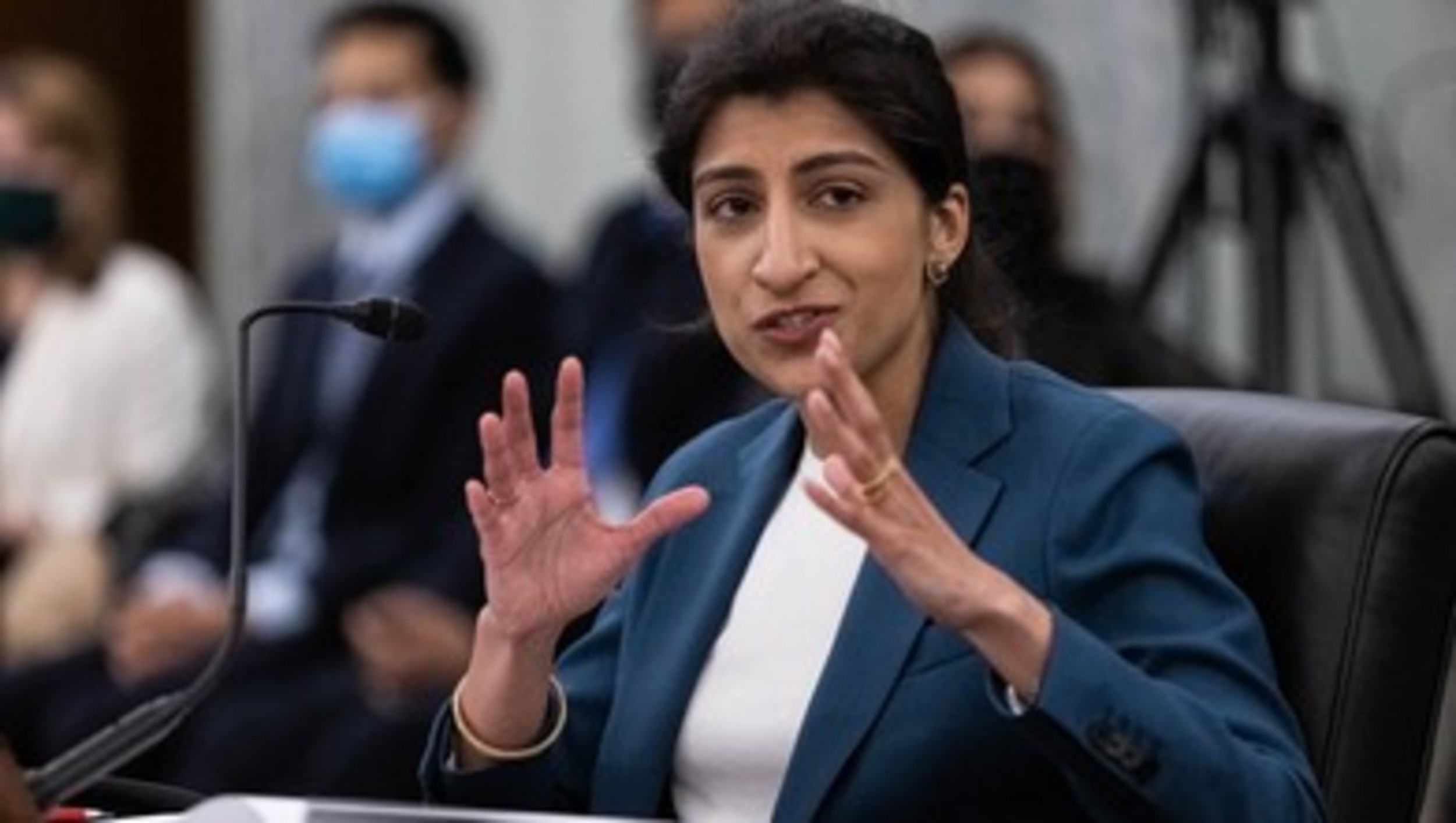
A buzzy, topical law review article can be a great way to start a career in Washington, D.C. policy circles. But few have advanced as fast and as far as Federal Trade Commission (FTC) Chair Lina Khan, whose Yale Law Journal Note “

Navigating California's New UCC Online Filing System
August 31, 2021
David Muellenhoff
Business Transactions
In recent years, California attorneys who needed to file a UCC financing statement or other UCC filing document in the course of their practice would simply head over to the California Secretary of State (SOS)’s website to download and print the appropriate form for filing by mail, fax or in person at the SOS's office. That process has been changing, particularly at the height of the COVID-19 pandemic last year when the SOS replaced its UCC Connect filing and forms portal with its new

From PRISM to Privacy? The Saga of Max Schrems and the Fallout From Schrems II
August 11, 2021
David Muellenhoff
Privacy & Information Security
Last summer the astonished cry was

California Legislature Considers Debt Settlement Law
July 20, 2021
David Muellenhoff
Administrative Law
Not content with the new and expansive powers provided to

Stirred AND Shaken: The End of Mass Robocall Spoofing?
June 29, 2021
David Muellenhoff
Administrative Law
In time for the long-awaited release of the next film in the James Bond series (
Canceled! New Developments in California's Automatic Renewal Law
June 8, 2021
David Muellenhoff
Administrative Law
The regulatory process can seem glacially slow, what with lengthy periods for notice and public comment. Many frustrated bureaucrats have found “

Applying the CFPB's Eviction Rule to California Attorneys
May 19, 2021
David Muellenhoff
Administrative Law, Real Property
Because California attorneys may now be considered “debt collectors” under both the federal and California Fair Debt Collection Practices Acts, evictions counsel may be wondering whether they may be liable for violation of the CFPB’s new Interim Final Rule related to the CDC’s residential eviction moratorium. While the answer is likely “no” for now, the issue bears watching.

Small Claims for Copyright: The CASE Act of 2020
April 27, 2021
David Muellenhoff
Administrative Law, Intellectual Property
Embattled copyright holders unable to foot the expensive bill to enforce their copyrights due to the costs of litigation will soon be able to seek relief in a new small claims forum, thanks to the CASE Act of 2020.

Business Owner Anonymity and the New Beneficial Ownership Reporting Requirement
April 6, 2021
David Muellenhoff
Administrative Law, Business Entities
John D. MacDonald’s fictional 1970s knight-errant adventurer Travis McGee famously eschewed credit cards, savings accounts, and other items that generated digital records -- but even McGee admitted his were “the last remaining years of choice” before the growth of permanent, easily-searched records in electronic databases forced “immortability” upon us all. 50 years later, internet search engines’ indexing of public records seems to have brought us to that point.
Resolving Circuit Split, U.S. Supreme Court Limits TCPA's 'Autodialer' Definition
April 1, 2021
David Muellenhoff
Business Litigation, Privacy & Information Security
Definitively resolving a contentious circuit split on the meaning of the Telephone Consumer Protection Act of 1991 (TCPA), a unanimous U.S. Supreme Court today

Commercial Eviction Moratorium Got You Down? Consider a NOBA.
March 16, 2021
David Muellenhoff
Real Property, Commercial Leasing
Your client’s commercial property is locked into a lease with a tenant that hasn’t paid rent for months due to COVID-19 shutdowns. Frustrated and desperate, your client’s found a buyer to take the property off their hands -- but the buyer isn’t interested in the property if the deadbeat tenant comes with it. How to get rid of the tenant and close the sale? Unlawful detainer won’t work -- your client would have evicted the tenant long ago, but a local commercial eviction moratorium stands in the way.

No More "One-Way" Recordings Without All Parties' Consent: The Lessons of Gruber v. Yelp
February 23, 2021
David Muellenhoff
Business Litigation, Criminal Law, Litigation Practice & Procedure, Class Actions, Discovery, Privacy & Information Security
There are plenty of new legal developments expected in 2021 that will affect in-house and third-party call centers. But there’s one California case from late 2020 with immediately applicable lessons for call centers and their counsel.
How Far Will the Federal Regulatory Pendulum Swing?
February 2, 2021
David Muellenhoff
Administrative Law
With the recent announcement that the nation’s capital will remain under military occupation not just for the trial of the ousted opposition leader, but

What's All the Fuss About Section 230?
January 12, 2021
David Muellenhoff
Business Litigation, Intellectual Property, Privacy & Information Security
It’s not every day in your career that the founder of one of the world’s largest blogging platforms -- whose name I can't reveal here for confidentiality reasons -- calls to discuss your demand letter. For this writer, it was rather surreal.

Top 5 New Laws Affecting California Businesses
December 21, 2020
David Muellenhoff
Administrative Law, Business Litigation, Employment Law, Law Practice Management, Privacy & Information Security, Tax Law, Workers' Compensation
California businesses have a long list of new laws to consider, although many would consider them more like lumps of coal than presents. At the top of the list are these three:

The New Sheriff in Town: California’s Mini-CFPB
November 30, 2020
David Muellenhoff
Administrative Law, State & Local Government
Consumer-finance businesses will soon face a new California state regulatory agency with novel and expanded enforcement powers, even as two major federal regulatory agencies have been fighting in the Supreme Court to save their longstanding enforcement powers.

California Voters Approve the California Privacy Rights Act
November 10, 2020
David Muellenhoff
Business Transactions, Privacy & Information Security
California’s

New California Law Licenses Debt Collectors
October 20, 2020
David Muellenhoff
Administrative Law, Business Litigation, State & Local Government
There’s been a three-decade game of cat-and-mouse between segments of the consumer financial services industry and its regulators at the state and federal levels. Bad actors in a certain business segment -- say, credit repair -- would draw regulators’ attention, leading to new regulations affecting good and bad actors alike. Some of the larger compliant businesses could endure the increased regulatory burden, but smaller companies would fold or move to less-regulated segments where compliance was not so onerous. The cycle would repeat. For example:

California Supreme Court Provides New Rules for Business Noncompetition Agreements and At-Will Business Contracts
October 6, 2020
David Muellenhoff
Business Litigation, Business Transactions
California law generally frowns on covenants not to compete, perhaps more so than any other state. But that may be changing, at least for agreements between businesses.
FTC Petitions for En Banc Rehearing in Qualcomm Case
September 30, 2020
David Muellenhoff
Business Litigation
The Federal Trade Commission (FTC) on Friday filed a

The CCPA Final Regulations Are Approved and In Effect -- But With Changes
September 10, 2020
David Muellenhoff
Privacy & Information Security
The California Consumer Privacy Act (CCPA) requires the Attorney General to adopt regulations by July 1, 2020, on a series of issues. These include the following (Civ. Code, § 1798.185, subds. (a)–(b)):

Markets Red in Tooth and Claw: Ninth Circuit Rules Hypercompetition is Permitted Under the Sherman Antitrust Act
August 27, 2020
David Muellenhoff
Business Litigation
“Anticompetitive behavior is illegal under federal antitrust law. Hypercompetitive behavior is not.” Overturning a lower court decision that, to some, threatened the future of disruption in tech, the Ninth Circuit recently

Dialing for Dollars: The Supreme Court Will Rule on TCPA Autodialers
July 28, 2020
David Muellenhoff
Administrative Law, Appellate Law, Business Litigation
By
U.S. Supreme Court Holds TCPA Constitutional, Severs Exception for Government Debt Collectors
July 6, 2020
David Muellenhoff
Business Litigation, Constitutional Law, Privacy & Information Security
Stating that "Constitutional litigation is not a game of gotcha against Congress,” the U.S. Supreme Court on Monday

Privacy Protections for California Travelers Under Civil Code Section 53.5
July 2, 2020
David Muellenhoff
Privacy & Information Security
It may seem incredible that only fifty years ago, requiring personal identification to obtain lodging or transportation could be unusual, even outrageous. On a trip to New Orleans in 1969, the late science-fiction author Robert Heinlein and his wife Virginia were

Insurance Coverage Considerations for Businesses During Civil Unrest
June 4, 2020
David Muellenhoff
Business Litigation, Insurance Law, Real Property
With protests taking place across the country sometimes resulting in property damage, counsel should advise their business and property clients to check the terms of their existing insurance policies, and speak with their brokers to upgrade coverage if needed. Following are some considerations to keep in mind.

Creditors, Brace for Impact?
June 2, 2020
David Muellenhoff
Bankruptcy, Business Litigation, Family Law
Creditors must make a number of tactical decisions when proceeding against California debtors. When seeking to levy against a debtor’s property, for example, the creditor may have to consider whether the property is community property of the judgment debtor and spouse, or property in which the judgment debtor is a joint tenant with a person who happens to be the spouse.
Trump Signs Executive Order on Online Censorship
May 29, 2020
David Muellenhoff
Administrative Law, Business Litigation, Constitutional Law
On Thursday, President Trump signed an executive order purportedly addressing the control by “a small handful of powerful social media monopolies” of “a vast portion of all public and private communications in the United States.”

SIP and the 2nd: Gun Shop Closures Under Shelter in Place
May 5, 2020
David Muellenhoff
Constitutional Law, State & Local Government
Invoking A.E. van Vogt’s classic science fiction line “the right to buy weapons is the right to be free,” several California gun shop cases are seeking to find out what happens when shelter-in-place orders cross paths with the right to keep and bear arms. The COVID-19 pandemic occurs at a time when California gun laws are being declared unconstitutional in federal courts, and when the standard of review for Second Amendment cases may be changing.
Small Business Administration Caps CARES Act PPP Loans to Corporate Groups
May 4, 2020
David Muellenhoff
Administrative Law, Business Entities, Business Litigation, Business Transactions, Criminal Law
The regulatory framework of the CARES Act, and the Small Business Administration (SBA)'s Paycheck Protection Program (PPP) in particular, continues to shift as regulators scramble to keep up with events during the COVID-19 pandemic.
FCC Rules Certain COVID-19 Automated Messages Fall Under TCPA's Emergency Exception
March 23, 2020
David Muellenhoff
Business Litigation, Privacy & Information Security
Acting on its own initiative, the Federal Communications Commission issued a

Subscription-Based California Businesses Should Beware the CART
March 17, 2020
David Muellenhoff
Business Litigation
The “recurring payment stream” (
Seventh Circuit Joins Circuit Split Opposing Ninth Circuit TCPA Ruling
February 20, 2020
David Muellenhoff
Business Litigation, Privacy & Information Security
Complaining that "the wording of the provision...is enough to make a grammarian throw down her pen," a three-judge panel of the Seventh Circuit Court of Appeals held Wednesday that the autodialer provision of the Telephone Consumer Protection Act (TCPA) is much narrower in scope than the Ninth Circuit's expansive reading of the same statute.

The General Counsel’s Secret Weapons: D&O and EPLI Insurance Policies
February 18, 2020
David Muellenhoff
Business Litigation, Insurance Law
When an already saturated transactional calendar is disrupted by unexpected litigation, in-house and outside general counsel can start to feel overwhelmed. For those who don’t want to see their in-house legal department turn into a litigation defense shop, D&O and EPLI insurance policies can be extremely useful tools to offload litigation tasks. In addition, creative use of D&O terms can provide coverage for unexpected types of claims.
California and Other States Fail to Block T-Mobile's Proposed Acquisition of Sprint
February 11, 2020
David Muellenhoff
Business Litigation, Business Transactions
A federal judge on Tuesday refused to block the proposed merger of T-Mobile and Sprint. Judge Victor Marrero of the U.S. District Court for the Southern District of New York denied the request of California, twelve other states, and the District of Columbia for an injunction pursuant to Section 7 of the
Business Lawyers Should Beware of the TCPA
January 21, 2020
David Muellenhoff
Business Litigation, Litigation Practice & Procedure, Privacy & Information Security
In late 2019, Congress finally reacted to the robocall epidemic by passing the bipartisan