
CEB Contributor
Bruce A. Last
Senior Attorney at Burrey Law Group, Inc.
Bruce Last is a Senior Attorney at Burrey Law Group, Inc. and part of their estate planning and probate and trust administration division. BLG, Inc. handles a variety of matters including conservatorships, guardianships, and special needs trusts. Until July of 2026, Mr. Last worked as a Content Attorney for CEB on the Estate and Trust team, managing and creating materials across all of CEB's content types. Additionally, he updated CEB's practice guides, created content for Practitioner, contributed Daily News articles, and coordinated CEB's Estate Planning Institute produced in conjunction with University of California, Los Angeles. Mr. Last continues to contribute to CEB's knowledge base.
Prior to working for CEB, Mr. Last worked for 18 years as an attorney in private practice focused primarily on trust and probate administration, estate planning, and trust and probate administration. He worked at the boutique law firm The Jellins Group APLC, in Menlo Park, and then opened his own estate and trust practice primarily serving Contra Costa County. Mr. Last received his BA from San Francisco State University and his J.D. from McGeorge School of Law (UOP). He was licensed by the California State Bar in 2004. The legal field is Mr. Last's second career, and prior to being a licensed California attorney, he worked as a live sound engineer for various San Francisco Bay Area bands and venues, interned at The Plant recording studio in Sausalito, and served as the Technical Director for Audio Visual Services at the San Jose Fairmont hotel.
In addition to working for BLG, Inc. Mr. Last is a volunteer on TEXCOM's litigation subcommittee. He has spoken on continuing legal education at the Association for Continuing Legal Education (ACLEA), and estate and trust matters for the Placer County Bar Association. Mr. Last previously volunteered with Contra Costa County Senior Legal Services (CCSLS) and ran their wills clinic at the Richmond Senior Center. During law school, he clerked for the Office of the California State Public Defender (OSPD), doing research and writing relating to death row appeals as part of McGeorge School of Law's work study program.
CEB Region:
Bay Area Region
Content by Bruce A. Last
-

Everything Old Becomes New Again: Medi-Cal and the Return of the Community Spouse Resource Allowance
May 4, 2026
Bruce A. Last
Trusts & Estates
The only thing I can imagine would be worse than committing your partner to long-term care (LTC) is figuring out how to pay for it. For many married couples and registered domestic partners, the only choice is to turn to Medi-Cal to cover the cost.

Understanding the OBBB Act's Changes to Medi-Cal Retroactive Coverage and Residency Verification
April 21, 2026
Bruce A. Last
Trusts & Estates, Elder Law, MediCal Planning
The federal H.R. 1, also known as the One Big Beautiful Bill Act (OBBBA), made various changes to Medi-Cal, California’s implementation of Medicaid. Two changes involve the retroactive coverage period and residency verification requirements.

The 'U-Files': Unpublished Cases That Offer Reminders for Successful Trusts & Estates Practice
February 4, 2026
Bruce A. Last
Appellate Law, Litigation Practice & Procedure, Trusts & Estates
Part of my work here at CEB requires keeping an eye on California appellate and Supreme Court decisions. I use a couple of services that deliver recent cases to my inbox based on very loose search terms, resulting in a large number of appellate opinions ordered not published in official reports.

When They Absolutely, Positively Don’t Want a Private Fiduciary: Limiting Powers to Preserve Estate Funds and Assuage Fears
December 29, 2025
Bruce A. Last
Trusts & Estates
Disputes or distrust among some or all of an estate's heirs and beneficiaries may create questions about who should be the personal representative. Frequently, where concerns involve potential mismanagement of estate assets, the suggested answer is a private fiduciary (and the cost that comes with it).

After a Death, It Pays to Be Nice If You Want to Manage an Estate
December 16, 2025
Bruce A. Last
Trusts & Estates
One of our family traditions is watching holiday movies up to New Year's Day, and a favorite is "Scrooged", starring Bill Murray. Murray’s final speech includes the lines:

California Legislature Expands Availability of Joint Parent-Nonparent Guardianships
November 25, 2025
Bruce A. Last
Family Law, Trusts & Estates, Guardianships & Conservatorships, Appointment of Guardian
Probate guardianships provide a method to designate a person to make decisions for a minor’s personal care and property. Parents can also nominate a preferred person to assume responsibility for minor children in advance of the need for a guardian. However, in California the ability of the court to appoint a parent and their nominee as joint guardians as a method of easing the transition was limited to cases where the custodial parent was terminally ill. That is, until now.

Tales from the Probate Lawyer: Copyright Control from the Grave
October 31, 2025
Bruce A. Last
Trusts & Estates
Ah, Halloween -- probably my favorite holiday. The weather cools, the breeze kicks up, the leaves start turning, and my neighbors' twelve-foot skeleton looks down approvingly when I walk my dog up the street. Plus, it is a wonderful excuse to guiltlessly pilfer treats from my office’s candy dish.

DHCS Provides Long-Awaited Guidance on Asset Transfers After Medi-Cal Test Returns Next Year
October 27, 2025
Bruce A. Last
Trusts & Estates
The California Department of Heath Care Services published

Tales from the Probate Lawyer: Estate Planning for a Menagerie
October 13, 2025
Bruce A. Last
Trusts & Estates
It’s been a while since I’ve written of my experiences with my, let us say,

Do Extended Delays in LPS Trials Violate Due Process? First Appellate District Says Yes
September 22, 2025
Bruce A. Last
Appellate Law, Constitutional Law, Trusts & Estates, Guardianships & Conservatorships
California's Lanterman-Petris-Short (LPS) Act (Welf. & Inst. Code, §§ 5000-5550), enacted in 1969, is intended to address community mental health services by providing temporary conservatorships for persons who are gravely disabled. It allows for institutionalization and involuntary treatment of such persons and persons who are a danger to themselves or others. (Welf. & Inst. Code, § 5150.)

For Dissolution Proceedings, Death Is Not Always the End
September 8, 2025
Bruce A. Last
Family Law, Trusts & Estates
A client comes into your office for assistance in administering a decedent’s estate. However, the decedent died in the middle of a divorce proceding. While this situation might appear as straightforward as administering any other estate, how to proceed varies depending on the status of the divorce action.

The Revocation That Wasn’t: Fourth District Requires That Written Revocation Make Bequest for Validity
August 4, 2025
Bruce A. Last
Trusts & Estates
Revocation of estate planning documents like powers of attorney, revocable trusts, and Advance Health Care Directives can be as simple as writing, “I hereby revoke all [document type] previously executed by me”, and complying with any applicable execution formalities. However, California's Fourth District Court of Appeal recently held that such a simple recitation is ineffective to revoke a will unless it either:

No Harm, No Foul? Not If You're an Attorney-Trustee, California Supreme Court Says
July 30, 2025
Bruce A. Last
Legal Ethics, Trusts & Estates
Most attorneys have experienced a situation at least once where a fiduciary violated some duty or obligation, but no harm occurred. Generally, a

The Medi-Cal Asset Test Returns on January 1, 2026
July 10, 2025
Bruce A. Last
Trusts & Estates, Estate Planning
Just a little over a year and a half after it eliminated the Medi-Cal asset test, California is reinstituting an asset test for Medi-Cal programs effective January 1, 2026. (

How to Discuss Disposition of Stored Genetic Material With Your Estate Planning Clients
June 4, 2025
Bruce A. Last
Family Law, Trusts & Estates, Estate Planning, Advanced Health Care Directives
Estate planning historically looked through the lens of the dollar, focused on how the decedent’s assets are divided upon death and what, if any, restrictions are placed on the use of those assets. Starting in the 1960s, with the introduction of advance heath care directives and the passage of laws like the California Natural Death Act in 1976 and the federal Patient Self-Determination Act in 1990, the paradigm of estate planning began to include more personal decisions, about everything from life-sustaining medical treatment to what flowers you should have at your funeral.

You May Have Extra Time to File a Demurrer in a Probate Proceeding
May 12, 2025
Bruce A. Last
Litigation Practice & Procedure, Trusts & Estates
Ah, the humble demurrer, that sometimes-disfavored procedural test rarely found in trust and probate litigation cases. But in a recent case of first impression, California's First District Court of Appeal decided that a party may demur to an initial probate petition up to an including the first hearing.

Sell It or Scrap It? Determining the Value of Vintage Electronics in Estates and Trusts
April 28, 2025
Bruce A. Last
Trusts & Estates
Imagine this: the personal representative of an estate tells you that they just completed inventorying the decedent’s personal property. You ask, “So, does anything look unusually valuable?”

AB 747: Changes Coming to Personal Service of Process in California?
April 21, 2025
Bruce A. Last
Litigation Practice & Procedure, Trusts & Estates
A new proposed California bill,

To Partition Property Subject to Probate Administration, Standing and Timing Can Be Everything
April 2, 2025
Bruce A. Last
Real Property, Trusts & Estates
For an attorney, efficiency is key to good attorney-client relationships. No client wants to incur costs and attorney fees on a fool's errand. And as recently demonstrated by a California appeals court in

How To Make Sure Your Estate Planning Clients Get the Most Out of a GRAT
February 24, 2025
Bruce A. Last
Trusts & Estates, Estate Planning, Estate Planning for Alternative Living Arrangements, Estate Planning for Unmarried Couples, Estate Planning for Married Couples, Estate Planning for Singles, Inter-Vivos Gifting
Ah, the humble Grantor Retained Annuity Trust (GRAT) -- a type of irrevocable trust that ideally allows the transfer of wealth at a reduced or zero value for estate and gift tax purposes. While currently a tool for people with a net worth exceeding, or likely to exceed, the unified gift and estate tax exclusion amount ($13.61 million for an unmarried person, $27.22 million for a married couple in 2025), the utility and advantages of a GRAT depends on many factors. Since none of us can predict the future, understanding the basics of a GRAT will make you a better estate planner.

The Small Estate Donut Hole: How California's AB 2016 Missed an Opportunity to Streamline Small Estate Administration
January 27, 2025
Bruce A. Last
Trusts & Estates, Probate Administration, Intestate Distribution, Sales of Real Property, Small Estate Transfer by Affidavit, Small Estate Transfer by Court Order
One of the things I love about the California Probate Code is how combining various procedures may expedite an estate administration and reduce client cost. This includes appropriate use of the Collection or Transfer of Small Estate Without Administration procedures (Prob. Code, § 13000-13007). However, after reviewing the recent changes to these procedures of

Notice My Action: The Use of Lis Pendens in Trust and Probate Litigation
January 7, 2025
Bruce A. Last
Real Property, Trusts & Estates
Ah, the humble Notice of Pending Action, otherwise known as a “lis pendens.” My experience as a probate and trust litigator was that these are rare. While I worked with such notices -- either filing or expunging them -- a few times early in my career in other matters, I never saw one in a trust or estate case, and never thought about filing and recording one, even though the majority of cases include real property.

In Recent Ruling, California's Second District Offers a Reminder That the Anti-SLAPP Motion Is a Scalpel, Not a Cudgel
December 16, 2024
Bruce A. Last
Litigation Practice & Procedure, Motion Practice , Anti-SLAPP or SLAPPBack, Trusts & Estates
The anti-SLAPP motion is popular in California trust and estate litigation due to its ability to defend against a petition to enforce a non-contest clause. However, as the recent case of

It's Been 3 Years Since the Second District Decided Breslin. How Are California Courts Applying the Landmark Probate Case?
November 26, 2024
Bruce A. Last
Trusts & Estates, Trust & Probate Litigation
In April 2021, more than three years ago, California's Second District Court of Appeal decided

How a Funding Method Avoided the Omitted Spouse’s Share of an Estate in a Recent Second District Case
November 7, 2024
Bruce A. Last
Trusts & Estates, Estate Planning, Trust & Probate Litigation
If you’ve read my bio in the

Congratulations, You Are Both a Fiduciary and a Landlord: New Obligations for California Fiduciaries Under AB 2747
October 18, 2024
Bruce A. Last
Real Property, Residential Landlord-Tenant, Trusts & Estates
As the line from the theme song of “Super Chicken” goes, “You knew the job was dangerous when you took it.” (I’m just old enough to remember that show.) If being a fiduciary -- the personal representative of an estate, trustee, guardian, or conservator -- and the liability it imposes wasn't dangerous enough, overseeing property that includes residential rental properties makes the job even more so. In these situations, the fiduciary is now a landlord, owing obligations to both the principal (the heirs, beneficiaries, ward, or conservatee) and the tenant.

Commentary: Summary Procedures for Estates Up To $1 Million -- Is California's AB 2016 a Good Idea?
September 4, 2024
Bruce A. Last
Trusts & Estates, Probate Administration, Trust & Probate Litigation
California's

Here I Come To Save The Day: How a Notary May Have Saved Graceland
September 3, 2024
Bruce A. Last
Trusts & Estates
"Peculiar thing about this document: it was never notarized." -Lucy Van Pelt, Peanuts, "It's the Great Pumpkin, Charlie Brown"

'HAL, Write Me a Will': Could AI Replace Estate Planners?
August 12, 2024
Bruce A. Last
Legal Ethics, Trusts & Estates
Recently, my team was discussing the future of AI in the legal industry, and, in my most Jean-Luc Picard voice, I said, “Computer, draft me a petition to contest a trust due to undue influence.” (Which was quickly followed by my clinical remark, “Yeah, that'll work.”) But kidding aside, it's important to consider the potential for use and misuse of AI in the estate planning context.

Does a New California Supreme Court Case Open a Loophole to Avoid Real Property Tax Reassessment?
July 22, 2024
Bruce A. Last
Tax Law, Trusts & Estates
The California Supreme Court recently provided clarity regarding when a change of ownership of real property triggering property tax reassessment occurs in transactions regarding legal entities in

Commentary: Can a Machine Gun Not Be a Machine Gun? SCOTUS Says Yes in Garland v. Cargill
July 5, 2024
Bruce A. Last
Administrative Law, Constitutional Law
In law school, we discussed appeals that create “bad law” -- that is, a rule of law that is good for your client, but generally bad for the country as a whole. Normally, this occurs when a appeal results in a technically correct decision that creates unintended negative consequences beyond the scope of the ruling. In a perfect world, Congress corrects the “bad law” though legislation. However, if Congress is deadlocked, either due to partisan politics or litmus test positions, a “correct” decision can become a national headache.
Resting in Peace: How California’s Laws Attempt to Ensure Long-Term Cemetery Care and Management
June 21, 2024
Bruce A. Last
Trusts & Estates
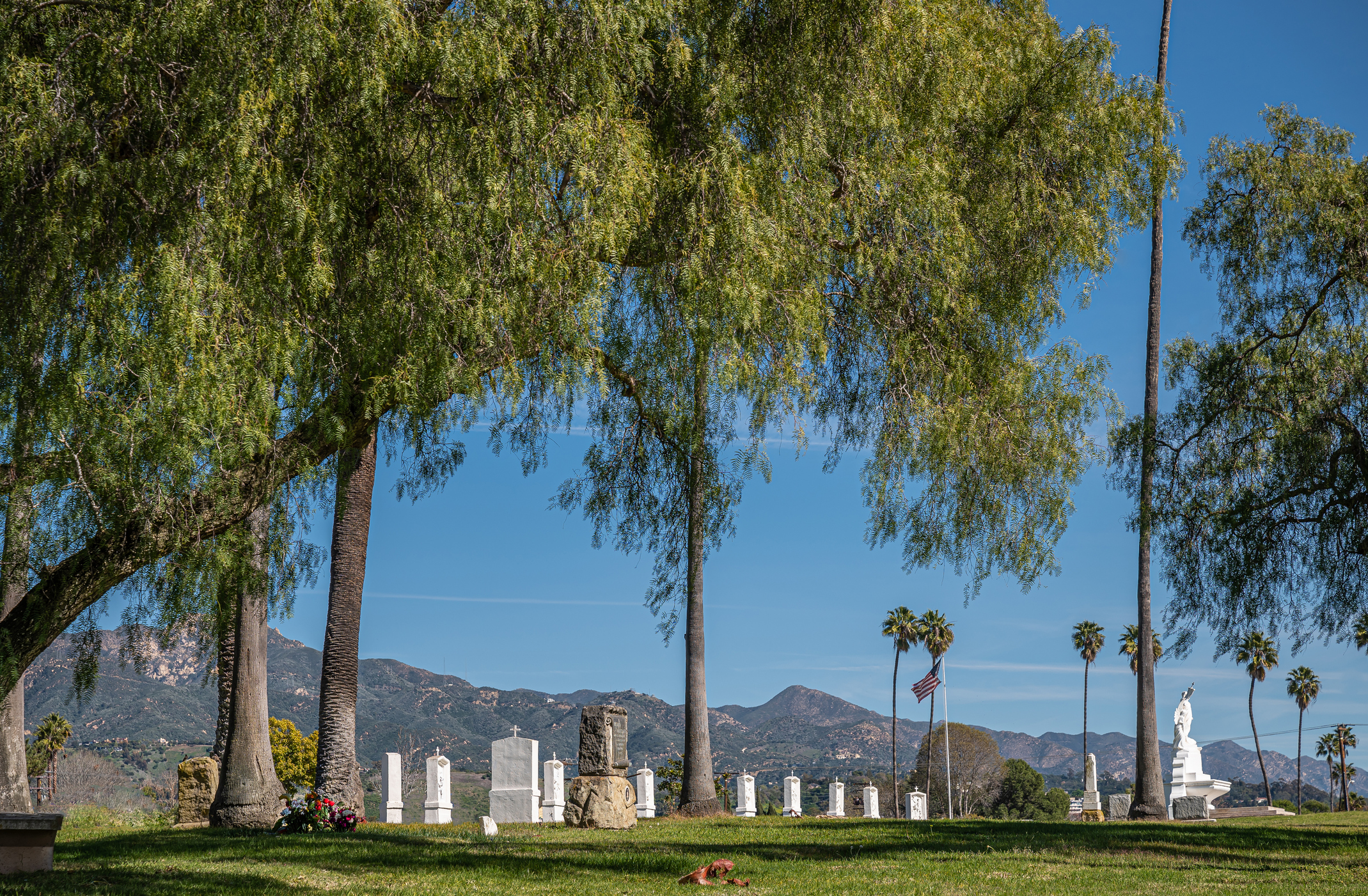
California offers a growing number of options for the final disposition of a decedent’s remains. Although estate planning is commonly thought of as dealing with the client’s finances and avoiding loss of wealth due to taxation and transactional cost following death, understanding what is and what isn't allowed makes the California estate planner better able to address all of the needs of the client.

New Federal Rules Coming for In-Kind Support and Maintenance Provided to SSI Recipients
May 20, 2024
Bruce A. Last
Trusts & Estates, Special Needs Trusts, Elder Law
Two new rules regarding the deductions from Supplemental Security Income (SSI) payments for in-kind support and maintenance (ISM) become effective September 30, 2024. One removes food as ISM (

The New Section 8 Housing Asset Test: What Does It Mean for Beneficiaries?
April 30, 2024
Bruce A. Last
Real Property, Trusts & Estates
The final rules of the U.S. Department of Housing and Urban Development (HUD) implementing parts of the Housing Opportunity Through Modernization Act of 2016 (HOTMA) became effective on Jan. 1, 2024. (88 Fed.Reg. 6900.) This included implementation of the new the HOTMA asset and income restrictions for persons participating in the Housing Choice Voucher Program, commonly referred to as Section 8.

The Medi-Cal Look-Back Period: Not Entirely Gone or Forgotten
April 12, 2024
Bruce A. Last
Trusts & Estates, Elder Law
Estate planning and elder law practitioners are well versed in the Medi-Cal look-back period. The look-back period created a period of ineligibility for non-modified adjusted gross income Medi-Cal applicants (known as "non-MAGI" or “traditional” Medi-Cal) needing long-term care (LTC) if the applicant transferred assets to meet the Medi-Cal asset limit. However, the elimination of the Medi-Cal asset test on January 1, 2024 not only removed the need to transfer assets to meet the asset test, but asset transfers no longer produce a disqualification period.

Splitting the Statutory Fee in Probate, Continued
March 18, 2024
Bruce A. Last
Trusts & Estates, Probate Administration, Appointment of a Personal Representative, Petition for Final Distribution
In response to my last article,
Splitting the Statutory Fee in Probate
February 23, 2024
Bruce A. Last
Trusts & Estates, Probate Administration
Providing legal services to the personal representative probating a decedent's estate is a bit like working on contingency. Your ordinary services are paid for as a percentage of the value of the estate, while extraordinary services are paid at an hourly rate, and you only get paid at the end of the case (mostly). However, what do you do if you get replaced part of the way though the representation?

California Supreme Court Expressly Requires Express Exclusivity in Trust Amendment Provisions
February 12, 2024
Bruce A. Last
Trusts & Estates, Estate Planning, Trust & Probate Litigation
Last week, California Supreme Court issued its opinion in

Probate Code Section 850: The Preferred Method to Enforce a Creditor's Claim Against a Trust?
January 16, 2024
Bruce A. Last
Trusts & Estates, Trust Administration, Creditor's Claims
A common question among new estate and trust practitioners is, "How do I enforce a creditor's claim against a decedent's trust?" This is not surprising since, unlike a decedent's probate estate, trust law does not have a mandatory creditor's claim procedure or a single method for enforcing the claims, making it confusing for the uninitiated. The recently decided case

Time for a Fresh Look at Unitrusts in California?
December 27, 2023
Bruce A. Last
Trusts & Estates
California recently adopted the Uniformed Fiduciary Income and Principal Act (UFIPA) (Prob. Code, §§ 16320–16383, effective January 1, 2024), replacing the Uniform Principal and Income Act (UPIA) (Prob. Code, §§ 16320–16375). The biggest change is to the rules regarding converting an income trust to an express unitrust and vice versa.
It's All About Notice: Bailey v. Bailey Shows the Importance of a Statute's Specific Language
December 4, 2023
Bruce A. Last
Trusts & Estates, Trust & Probate Litigation
I'm constantly reminding my teenage son about the importance of accurately using and understanding language. This is critical in almost any industry. For the mechanic, "I need a 10-millimeter box end wrench" instead of "I need a wrench" makes for efficient tool selection. For the audio engineer, "We're getting a 60-hertz buzz in the monitors" instead of "There's a weird noise up onstage" saves hours of troubleshooting. And for the attorney, accurately reading the specific language of a statute can be the difference between winning and losing a case, as the appellant Mitchell Bailey discovered in

California Appellate Court Shows Multiple Paths to Establish Parentage for Inheritance
November 13, 2023
Bruce A. Last
Trusts & Estates, Trust & Probate Litigation
Halloween is over, and it's now time to think about giving thanks. In the recent case

Tales from the Probate Lawyer: The Full Moon Advance Health Care Directive
October 23, 2023
Bruce A. Last
Trusts & Estates, Estate Planning, Advanced Health Care Directives
It was a chilly October night as I waited on the deserted street to grab the streetcar to head to the Inner Sunset for a bite. The N-Judah nowhere in sight, I decided to check my social media as the power arcing of the power transformers in the fog made the occasional "zap."

Tales from the Probate Lawyer: A Spooky Case for a Charitable Remainder Trust
October 9, 2023
Bruce A. Last
Trusts & Estates, Estate Planning
Having successfully obtained a court order finding

Tales from the Probate Lawyer: The Equitably Adopted Monster Conundrum
October 2, 2023
Bruce A. Last
Trusts & Estates
To some, it was a dreary October morning in San Francisco. But it was lovely to me. The thick fog surrounded me as I walked to take the streetcar to my office. When I arrived, the rain had started, and an occasional lighting strike lit up the cloud cover, casting a blush hue on everything for split second.
When Beneficiaries Are Adverse Regarding the Possession of Real Property
August 21, 2023
Bruce A. Last
Real Property, Trusts & Estates
When browsing a few “ask an attorney” websites, I noticed several questions about the “statute of limitations” to probate an estate -- and, in such “stale” probates, how one recovers real property. In a few of the answers, the responding attorney seemed to indicate that adverse possession would come into play. I thought this topic -- which demonstrates the cross-disciplinary aspect of estate and trust practice -- was quite interesting.

Employment Doesn't Always Mean Losing Your SSI or SSDI Benefits
July 31, 2023
Bruce A. Last
Employment Law, Trusts & Estates, Special Needs Trusts
Theodore Roosevelt once

When the Trust Provides for Treats: Pets and Estate Planning
July 10, 2023
Bruce A. Last
Trusts & Estates, Estate Planning
In "Midnight in the Garden of Good and Evil," John and Jim come across a man walking an invisible dog on a leash. Jim explains that the dog walker is paid $15 a week by the estate of his former employer to walk the employer’s favorite dog after the employer’s death. After the dog passed a few years later, the executor of the estate decided to have the man continue to walk the “dog” rather than cut the man off.

If It Walks Like a Duck: Using Probate Code Section 6110 To Admit a Non-Conforming Will
June 20, 2023
Bruce A. Last
Trusts & Estates, Estate Planning, Trust & Probate Litigation
The key takeaway from

How Special Are Special Needs? The Scope Is Broader Than You May Think
June 5, 2023
Bruce A. Last
Trusts & Estates, Special Needs Trusts
Most practitioners know that a Special Needs Trust (SNT), known in other jurisdictions as a “supplemental needs trust,” is a trust designed to supplement the needs of a person with a disability without affecting the beneficiary’s government benefits. What many practitioners don’t know is that what qualifies as “special needs” for which the trustee may expend trust funds is actually quite broad, if the trust is properly drafted. This lack of understanding may sometimes reach as far as a judge presiding over a matter involving an SNT, as it did in
Silk v. Bond and the Narrow Probate Exception to Federal Jurisdiction
May 8, 2023
Bruce A. Last
Litigation Practice & Procedure, Jurisdiction, Federal Jurisdiction, Trusts & Estates, Trust & Probate Litigation
Most attorneys I've met who handle administration and litigation involving a decedent’s estate have never set foot in a federal district court -- partly because most disputes involve individuals and companies located in the decedent’s home state, and partly due to the “probate exception” to federal jurisdiction. However, not only are advances in communication making interstate transactions in estate planning more and more common, but the “probate exception” is much narrower than many think.
45th Annual UCLA-CEB Estate Planning Institute Preview
April 19, 2023
Bruce A. Last
Trusts & Estates, Estate Planning
Tomorrow is the start of the

Commentary: The Supreme Court, Gifts, and a Larger Discussion About Judicial Ethics
April 18, 2023
Bruce A. Last
Legal Ethics
In light of the

Want the Trustee to Defend the Trust Instrument? Put the Power in the Instrument
March 27, 2023
Bruce A. Last
Trusts & Estates, Trust & Probate Litigation
Richard J. Mueller and Joan R. Mueller had two children, Katherine and Amy, and Richard had a child from a previous marriage, Julie. The parents created a trust that split the estate upon the second death between Katherine and Amy after a $10,000 gift to Julie was satisfied. The trust authorized the trustee to defend the trust at trust expense, but specifically excluded the defense of any amendment executed after the trust.

How Climate Change May Drive the Need for Flexibility in Estate Planning
March 15, 2023
Bruce A. Last
Environmental, Land Use & Natural Resources, Climate Change, Trusts & Estates, Estate Planning
While spending over six hours returning from a Lake Tahoe ski trip due to an incoming blizzard with snowfall down to Placerville (elevation 1,867 feet), I had time to think about the effects of climate change and estate planning: in particular, the effect on trusts designed to maintain a family vacation home for use over several generations.
New Laws Coming to an Estate Planner’s Office Near You
February 13, 2023
Bruce A. Last
Trusts & Estates
Having just completed primary editing of CEB’s

For a Creditor's Claim Against a Trust, Time Is Crucial
January 23, 2023
Bruce A. Last
Trusts & Estates, Trust Administration, Creditor's Claims, Trust & Probate Litigation
For most post-death trust administrations, dealing with the decedent’s creditors is run of the mill. Pursuant to the directive to pay the decedent’s creditors in the trust, the trustee makes efforts to identify creditors and pay the debts in due course. However, if the trust does not require payment

May a Minor Request Removal of Their Own Guardian Ad Litem?
January 4, 2023
Bruce A. Last
Trusts & Estates, Trust & Probate Litigation
(Pinpoint cites to

Helping Your Client Make the Most of Charitable Giving
December 12, 2022
Bruce A. Last
Trusts & Estates, Estate Planning
As the holiday season progresses, my son’s thoughts turn to a new top-of-the-line gaming computer, and mine turn to a few days off for reading by the fire with a glass of eggnog. However, for some of our clients, the end of the year reminds us that tax season will soon be upon us, and their thoughts turn toward the question of how to reduce the amount of taxes they owe. For others, the season encourages philanthropy without the thought of the tax implications.

Avoiding Error Creep in the Estate and Trust Office
November 21, 2022
Bruce A. Last
Law Practice Management, Trusts & Estates
You might not have ever heard about "error creep," but the concept behind it is this: a minor, insignificant error in one system may, over time, create a major problem as it is duplicated or moves from system to system, often causing additional errors or becoming amplified in successive steps.

Conservator’s Communications Not Recoverable as 'Personal Property' Under Probate Code Section 850
October 31, 2022
Bruce A. Last
Trusts & Estates, Trust & Probate Litigation
Happy Halloween (or

Bigamous Marriages Illegal in California Even If Valid When Entered -- Unless You Are Dead?
October 10, 2022
Bruce A. Last
Family Law, Trusts & Estates
Another bigamy case comes to us from the Fourth District Court of Appeal,

California Appellate Court Clarifies Good Faith Belief Standard for Putative Spouse Status
September 20, 2022
Bruce A. Last
Family Law, Trusts & Estates, Trust & Probate Litigation
One of my favorite facets of probate and trust law is the variety of “interesting” fact patterns that float into one’s office. One such case was a decedent who, for some thirty years before death, maintained two separate marriages. The decedent’s trust provided nothing to the original spouse or their children.

Estate Planning 101: Don’t Get Caught in an Abatement Trap
August 29, 2022
Bruce A. Last
Trusts & Estates, Estate Planning
Good estate planning is a bit like juggling sharp axes. A moment of inattention can spell disaster for you, your clients, and their beneficiaries. One such axe, commonly overlooked by new estate planners, is abatement: the order in which the decedent’s property is used to pay for the decedent’s debts and costs of administration based on the class of gift. The statutory framework for abatement is found at Probate Code sections 21400–21406. However, the statutory rules may result in unintended consequences, requiring the planner to modify the rules in the will or trust. (Prob. Code, § 21400, instrument may provide for abatement.)

Probate Administration Basics: Creditors’ Claims
August 8, 2022
Bruce A. Last
Trusts & Estates, Probate Administration, Creditor's Claim Procedure
For the personal representative of an estate, proper handling of creditors’ claims is critical. Liability issues aside, the estate may not close until payment of, or provisions for satisfaction of, all the decedent’s debts are made. (Prob. Code, § 11640, subd. (a).) Failure to timely attend to the creditors’ claim procedure may also delay or limit a requested preliminary distribution, which requires a showing that the distribution will not cause a loss to creditors or injury to the estate or any interested person. (Prob. Code, § 11621.)

The Predeceased Spouse's Share: What You Need To Know About Probate Code Section 6402.5
July 18, 2022
Bruce A. Last
Trusts & Estates, Estate Planning
Paragraph 7(b) of Judicial Council Form DE-11, Petition for Probate, asks whether the decedent, who died without a spouse or issue, had a predeceased spouse who died not more than 5 or 15 years before the decedent in the petition. If so, and if certain requirements as to property are met, it asks if the decedent’s predeceased spouse was survived by an issue, parent, issue of parent, or other next of kin.

Attorney Fee Awards in Trust and Probate Litigation May Exceed Your Client’s Interest in the Trust or Estate
July 7, 2022
Bruce A. Last
Litigation Practice & Procedure, Attorney Fees & Costs, Trusts & Estates, Trust & Probate Litigation
If there's anything worse than losing at trial, it’s the court awarding attorney’s fees and costs against your client. This is why litigators are careful to explain the potential for awards of fees and costs against the losing party.
When the Death Occurs and the Divorce Isn’t Final, but the Property Settlement Is
June 6, 2022
Bruce A. Last
Family Law, Trusts & Estates, Estate Planning
If you’re a new lawyer practicing in the probate administration field you will eventually run into this situation. The client walks into your office and explains “Well, my spouse and I were going through a divorce, but they died. I’m not sure what to do.”
California on Track To Eliminate Medi-Cal Asset Test
May 16, 2022
Bruce A. Last
Trusts & Estates, Elder Law, MediCal Planning
Assembly Bill 133 (Stats. 2021, ch. 143) enacted

44th Annual UCLA-CEB Estate Planning Institute Preview
April 25, 2022
Bruce A. Last
Trusts & Estates
The

Improving the Lives of Persons with Intellectual Disabilities Through Supported Decision-Making
April 4, 2022
Bruce A. Last
Trusts & Estates, Guardianships & Conservatorships
It’s not often one attends a legal conference and finds the emotional drive to ensure justice and equality reignited within them. But it does happen.

Balistreri v. Balistreri Calls Into Question The Need for Express Exclusivity in Trust Amendment Provisions
March 14, 2022
Bruce A. Last
Trusts & Estates
Readers of this column will recall my September 27, 2021 article, “

Understanding Reassessment Calculations Under CA Regulations Regarding Prop. 19 (Part 2 of 2)
February 22, 2022
Bruce A. Last
Real Property, Trusts & Estates
Or, “More fun with math.”
Understanding Reassessment Calculations Under CA Regulations Regarding Prop. 19 (Part 1 of 2)
January 31, 2022
Bruce A. Last
Real Property, Trusts & Estates
O

California DHCS Changes Rules on Medicare Set-Aside Accounts and Medi-Cal Eligibility
January 10, 2022
Bruce A. Last
Trusts & Estates, Special Needs Trusts
The California Department of Health Care Services (DHCS) recently released

Herding Cats, or How Successful Estate Dispute Settlements Require Watching Many Factors
December 20, 2021
Bruce A. Last
Trusts & Estates
Early in my career, negotiating settlements seemed rather simple: 1) Find the settlement range (normally $0 to the amount in controversy plus costs and fees); 2) Get the parties to agree on an amount in that range. However, I discovered just how many factors skillful attorneys watch to get the parties to yes, particularly in trust and probate ligation.

Residential Care Facilities in California Now Required To Provide Internet Access Devices
December 2, 2021
Bruce A. Last
Trusts & Estates, Elder Law
In a year of major revisions to the laws aimed at improving quality of care in California nursing homes in the form of the Prioritize Responsible Ownership, Treatment, Equity, an Corporate Transparency (PROTECT) Act, a relatively simple bill flew in under the radar that may have a big impact on the lives of those in residential care facilities.

California Authorizes College Tuition Waivers For Certain COVID-19 Affected Families
November 8, 2021
Bruce A. Last
State & Local Government
Assembly Bill 1113 creates an additional post-secondary education tuition and fees exemption for the children or spouse of a doctor, nurse, or first responder who died of COVID-19 during the pandemic state of emergency.

Incapacitated Settlor? Trustee May Owe New Duties to Some Successor Beneficiaries
October 18, 2021
Bruce A. Last
Trusts & Estates, Trust Administration
On Oct. 9, 2021, California Gov. Gavin Newsom signed

Probate Code Section 15401 Requires Express Exclusivity in Trust Revocation Provisions Extending to Amendment Provisions
September 27, 2021
Bruce A. Last
Trusts & Estates
Frequent readers may recall the treatment of

California Appeals Court Uses In Re Brace in Estate Planning Dispute
September 7, 2021
Bruce A. Last
Family Law, Trusts & Estates, Estate Planning
The Third District Court of Appeal recently

Statutory Right of First Refusal Granted to Heirs in Partition Actions Under New California Law
August 16, 2021
Bruce A. Last
Real Property, Trusts & Estates, Probate Administration, Trust Administration
Because a common problem in estate and trust administration involves disputes between beneficiaries, some desiring an in-kind distribution and others demanding a market sale, the Act will likely influence administration of these estates and trusts. It is also of interest to guardian and conservatorship practitioners due to the fiduciary’s authority to request partition of real property.

Time for a Raise for SSI Recipients?
July 26, 2021
Bruce A. Last
Trusts & Estates, Estate Planning, Elder Law
On June 8, U.S. Representative Raúl Grijalva introduced the Supplemental Security Income Restoration Act of 2021 (

Estate Planning in the Post-COVID Age
July 6, 2021
Bruce A. Last
Trusts & Estates, Estate Planning
With the lifting of most COVID-19 restrictions, California now starts on a path of “return to normal.” However, without a doubt, our “new” normal will not exactly match the old.

How Brokken Broke Cornelius in Fight for Attorney Fees In a California Conservatorship
June 14, 2021
Bruce A. Last
Trusts & Estates
Appellate Court clarifies when attorney’s fees may be paid by proposed conservatee where a permanent conservatorship is not established.

Current Developments for California’s Proposition 19
May 24, 2021
Bruce A. Last
Real Property, Tax Law, Trusts & Estates
“Non dire gatto se non ce l'hai nel sacco.” -Italian idiom, roughly translated “Don’t say cat if you don’t have it in the bag.”

Distinguishing Between Jurisdiction and Venue in a Trust Dispute
May 3, 2021
Bruce A. Last
Trusts & Estates
Fundamental to the decision of where to file a complaint or petition are the intertwined concepts of jurisdiction and venue, and an error may lead to extended (and expensive) pre-trial disputes over which court is the proper place for the action. Such is the situation presented by

Navigating the Basics of California’s PROTECT Plan
April 12, 2021
Bruce A. Last
Trusts & Estates, Elder Law

Holding Real Property in a Revocable Trust Won’t Prevent Use of Owner and Family Move-In Provisions
March 22, 2021
Bruce A. Last
Real Property, Residential Landlord-Tenant, Trusts & Estates, Trust & Probate Litigation
At least not in San Francisco where a revocable living trust is concerned.

How to Avoid Disaster When Filed Pleadings Disappear
March 5, 2021
Bruce A. Last
Litigation Practice & Procedure, Trusts & Estates, Trust & Probate Litigation
It's rare for a filed pleading to go missing, but it happens. An original verified pleading or declaration in a time-sensitive matter is safely filed with the court, but at the hearing, the judge flips though the file and states, “I know this pleading was filed, and I looked at it yesterday, but I can't find the original in the file and it's necessary for me to proceed. I can continue the matter so you can provide a new pleading, or deny without prejudice. Counsel, what's your preference?” What do you do?

Disaster Planning for the Trust and Estate Practitioner
March 1, 2021
Bruce A. Last
Trusts & Estates, Estate Planning, Guardianships & Conservatorships, Special Needs Trusts
One of the most thought-provoking sessions of the recent Special Needs Planning Symposium, hosted by Kevin Urbatsch (Urbatsch Law Firm, P.C. -- and original and update author of CEB's

Mediate Now or Forever Hold Your Peace
February 8, 2021
Bruce A. Last
Trusts & Estates, Estate Planning
Don’t Assume Someone Else, Even a Trustee, Will Assert Your Client’s Interest at Mediation.

New Year, New Laws: Items of Note for Trust and Estate Practitioners
January 19, 2021
Bruce A. Last
Litigation Practice & Procedure, Trusts & Estates
The new year brings new rules and tools for the trust and estate practitioner. While procedure and practice aren't quite as thrilling as groundbreaking changes to case or statutory law, they can make a huge difference to the practitioner. Accordingly, here are some items of note for trust and estate attorneys.

Being a Conservatee Doesn’t Make You a Child
December 28, 2020
Bruce A. Last
Trusts & Estates, Guardianships & Conservatorships
Just a few days before Christmas, the Court of Appeal for California’s Fourth Appellate district posted its opinion in

Using the CARES Act's Required Minimum Distribution Rules to Play Santa
December 7, 2020
Bruce A. Last
Tax Law, Trusts & Estates, Estate Planning
As trust and estate practitioners, it's likely that we'll get calls from clients at this time of year regarding the CARES Act and IRA required minimum distribution (RMD) rules. Primarily, these will involve a basic question: “Is it true that I'm not required to take my required minimum distribution this year?”

Estate Planners, Start Your Amendments: Changes Coming Due to Proposition 19
November 16, 2020
Bruce A. Last
State & Local Government, Trusts & Estates
While most Americans, if not most of the world, watched the outcome of the Biden v. Trump presidential election over the last week, California estate planners were keeping an eye on two state constitutional amendments, Propositions 15 and 19. Proposition 15 was defeated by a

An In-Depth Look at Proposition 19
October 26, 2020
Bruce A. Last
Real Property, Tax Considerations, Tax Law, Trusts & Estates, Estate Planning
Due to the ability to transfer and preserve wealth by reducing the assessed value of real property for property tax calculation, estate planners should pay close attention to California’s property tax system -- and this year’s

Roth v. Jelley and the Importance of Notice, Or: Avoiding Problems for the Price of a Stamp
October 5, 2020
Bruce A. Last
Trusts & Estates, Trust & Probate Litigation
This year’s California Lawyers Association’s annual meeting provided great programs, particularly the Case Law and Other Changes in Trusts and Estate Practices seminar. One case in particular demonstrates how the price of a stamp now can prevent significant problems later (and in this case, 29 years later).
An Under-Utilized Trust Administration Tool: The Voluntary NOPA
September 14, 2020
Bruce A. Last
Trusts & Estates, Probate Administration, Trust Administration, Trust & Probate Litigation
California probate and trust practitioners are aware that court-appointed estate representatives with powers under the Independent Administration of Estates Act (IAEA) must comply with the Notice of Proposed Action (NOPA) prior to taking certain actions. We should also be aware that both estate representatives and trustees may voluntarily use the NOPA procedure to take action where court approval, or a NOPA, is not required. However, the voluntary use of a NOPA appears under-utilized in actual practice, where it can not only provide a degree of safety for the fiduciary but also further fiduciary-heir/beneficiary communication. The lack of the latter is a common complaint about trust and estate administration.

Correcting a Mistake in a Trust Transfer Deed
August 24, 2020
Bruce A. Last
Trusts & Estates, Estate Planning
As estate and trust practitioners, we're used to dealing with procedures and rules. Between the Tax Code, the Probate Code, Rules of Court, and local court rules, one might believe that when it comes to estate planning and administration, there's a specified rule for everything. Perhaps this is why we find most confusing the problems with the easiest solutions.

Strategies for the New Practitioner for Dealing with Difficult Beneficiaries
August 3, 2020
Bruce A. Last
Trusts & Estates, Probate Administration
A great question came across my desk the other day: “Are there any laws that govern the duties of a beneficiary of a trust, such as the need to act civil and not be abusive toward a trustee?” I immediately empathized with the question, having had my share of “difficult” beneficiaries.

If You Want Exclusivity in Trust Revocation Methods, Make It Explicit
July 13, 2020
Bruce A. Last
Trusts & Estates, Estate Planning, Trust & Probate Litigation
Recently, a cautionary tale of estate planning appeared in California's Second District Court of Appeal's

There Are No Standby Guardians in California. Is It Time to Take Another Look?
June 22, 2020
Bruce A. Last
Trusts & Estates, Guardianships & Conservatorships
On Jan.1,

Appellate Court Limits Ability to Reform Will to Validate Intended Appointment of Trust Property
June 1, 2020
Bruce A. Last
Trusts & Estates, Trust & Probate Litigation
Powers of appointment are commonly found in estate planning instruments, but their exercise are rare. However, the presence and attempted exercise of such powers can produce extended and costly litigation. Case in point:

California Proposes Reinstating Prior Medi-Cal Recovery Rules
May 19, 2020
Bruce A. Last
Trusts & Estates, Estate Planning, Probate Administration
Gov. Gavin Newsom's
Getting Wills Executed During Shelter in Place
April 20, 2020
Bruce A. Last
Trusts & Estates, Estate Planning
With the California legislature considering allowing the

Making Hay While the Sun (Doesn't) Shine: Stipulated Orders in Probate
April 13, 2020
Bruce A. Last
Trusts & Estates, Trust & Probate Litigation
COVID-19 has brought California to a grinding halt, including our court system. With most probate hearings continued to a future uncertain date, probate administrations are in a holding pattern until conditions improve where court approval and orders are required. Inevitably, when this crisis passes, we will be left with a backlog of cases and a resulting strain on our judicial resources. But attorneys have the potential to help.

Conservator Nominations: More Powerful Than You Might Think
March 23, 2020
Bruce A. Last
Trusts & Estates, Estate Planning, Guardianships & Conservatorships
For estate planners, the tendency is to focus on a client’s financial assets. While our “packages” frequently contain an advanced heath care directive (AHCD), our counseling on these personal care issues can be a bit thin. Generally the attorney, viewing heath care decisions as personal to the client, provides a form to collect the client’s preferences and merely drafts the AHCD to match the responses provided by the client.

Let Me Tell You About My Old Friend CACI
February 24, 2020
Bruce A. Last
Litigation Practice & Procedure, Trusts & Estates, Trust & Probate Litigation
If you're a trial attorney, you're all too familiar with the Judicial Council of California Civil Jury Instructions, or

Here Be Dragons: Attorney Fees in Contested Probate Litigation
January 27, 2020
Bruce A. Last
Trusts & Estates, Trust & Probate Litigation
As the calendar turns over, we all resolve to improve ourselves, and as attorneys we do well to make sure our practice follows ethical rules and guidelines. For practitioners taking cases involving probate administration, these waters are fraught with problems.

Additions and Amendments to Discovery Rules Provide a Gift to Trial Practitioners
December 23, 2019
Bruce A. Last
Litigation Practice & Procedure, Trusts & Estates, Trust & Probate Litigation
While the goal of the discovery process is to shorten trial and encourage settlement by allowing parties to obtain factual information early and cost-efficiently, practitioners take the utility of discovery with a grain of salt. While the majority of practitioners utilize discovery as intended and in good faith, some view the process as a game. And even when discovery proceeds in good faith, drafting and responding to discovery can be an arduous and time-consuming chore.

The Omnibus Conservatorship and Guardianship Reform Act of 2006: Lost in the Land of the Lotus Eaters?
December 2, 2019
Bruce A. Last
Trusts & Estates, Guardianships & Conservatorships
In 2005, the nation saw the conclusion of the case of

Can a Removed Trust Beneficiary Use a Probate Petition to Challenge the Amendment That Removed Her? California Supreme Court Hears Arguments in Rare Trusts Case
November 18, 2019
Bruce A. Last
Trusts & Estates, Trust & Probate Litigation
While I suspect most viewers of the California Supreme Court’s oral argument webcast on Nov. 6 were interested in

When the Lights Go Out in California, Are Our Elder Law Clients Prepared?
November 12, 2019
Bruce A. Last
Elder Law, Trust & Probate Litigation
Following the California wildfires of 2018, Pacific Gas & Electric and other untility providers instituted a policy of “public safety power shutoffs” with the goal of reducing potential fire risk due to downed electrical wires. The most recent round of shut-offs affected some areas for seven days or more. Despite these preventative measures, fires continued to effect the entire state.

Pitfalls of Inaccurate Estate and Trust Appraisals
September 30, 2019
Bruce A. Last
Trusts & Estates, Probate Administration, Trust Administration
There are difficulties and traps for the unwary when getting an appraisal of trust property. The decision in

The California Legislature Adopts the “Singular They.” Should the Legal Profession Follow Suit?
August 26, 2019
Bruce A. Last
Elimination of Bias, Family Law, Law Practice Management, Personal Injury, Trusts & Estates
The bulk of the gender neutral changes replace the “his or her” construction with the identity of a party, for example changing “his or her” to “the minor,” or otherwise reorganizing the sentence to avoid the need for “his or her.” But in several places “his or her” is replaced with “their” despite the use of a preceding singular noun.

Is a Client’s Religion Only Relevant to Health Care Decisions?
August 5, 2019
Bruce A. Last
Trusts & Estates, Estate Planning, Guardianships & Conservatorships, Special Needs Trusts, Probate Administration, Trust Administration, Trust & Probate Litigation
Now and then you’re alerted to something you never thought about before. This happened to me during the lunch presentation by Ms. Stacy E. Singer of Northern Trust in Chicago, IL at the 2019 CEB Estate Planning Institute. Ms. Singer touched on a subject that I had never considered--religion and estate distribution.
Disinheriting? Give Them Something to Think About
March 4, 2019
Bruce A. Last
Trusts & Estates
It’s fairly common for an estate planner to meet with a client who wishes to cut one or more of his or her intestate heirs out of the estate plan. Like Miss Birdie in “The Rainmaker,” they look at you and say “cut, cut, cut!” But is leaving nothing to an intestate heir or previously included beneficiary really a good idea? Or, should you counsel your clients to give such folks something to think about?
-
Sample Order on Petition Requesting Increase in Community Spouse’s MMNA and CSRA
Trusts & Estates, Public Benefits, Medi-Cal
A sample order on a petition to increase the Minimum Monthly Maintenance Needs Allowance (MMMNA) and Community Spouse Resource Allowance is provided with practical guidance to assist with completing this document. We completed legal editing and analysis of authorities cited here as of the date listed below.
-
Sample Petition Requesting Increase in Community Spouse’s Minimum Monthly Needs Allowance (MMNA) and Community Spouse Resource Allowance (CSRA)
Trusts & Estates, Public Benefits, Medi-Cal
A sample petition to increase the Minimum Monthly Maintenance Needs Allowance (MMMNA) and Community Spouse Resource Allowance (CSRA) is provided with practical guidance to assist counsel with completing this document. We completed legal editing and analysis of authorities cited here as of the date listed below.
-
Using CalWORKs
Trusts & Estates, Public Benefits, Other California & Federal Benefits
Use this Strategy Note to assist you in determining if your client and their family can benefit from the California Work Opportunity and Responsibility to Kids (CalWORKs) program (California’s implementation of the federal Temporary Assistance for Needy Families (TANIF) program. We completed legal editing and analysis of authorities cited here as of the date listed above.
-
Qualify a Family for Temporary Assistance for Needy Families (TANIF)
Trusts & Estates, Public Benefits, Other California & Federal Benefits
Use this How-To to assist you in qualifying your client for CalWORKs, California’s implementation of the Temporary Assistance for Needy Families (TANIF), including the application process and eligibility criteria. We completed legal editing and analysis of authorities cited here as of the date listed above.
-
Qualify a Client for CalFresh Benefits
Trusts & Estates, Public Benefits, Other California & Federal Benefits
Use this How-To to assist you in qualifying your client for CalFresh, California’s implementation of the federal Supplemental Nutrition Assistance Program (SNAP). We completed legal editing and analysis of authorities cited here as of the date listed above.
-
Chart of Immigration Status and CAPI Eligibility
Trusts & Estates, Public Benefits, Other California & Federal Benefits
This quick reference chart shows the immigration status required to qualify for Cash Assistance Programs for Immigrants (CAPI). We completed legal editing and analysis of authorities cited here as of the date listed above.
-
Qualify a Client for CAPI
Trusts & Estates, Public Benefits, Other California & Federal Benefits
Use this How-To to assist you in qualifying your client for the Cash Assistance Program for Immigrants (CAPI), including the application process and eligibility criteria. We completed legal editing and analysis of authorities cited here as of the date listed above.
-
Chart of Counted and Non-Counted Assets for Section 8 Housing
Trusts & Estates, Public Benefits, Other California & Federal Benefits
Use this quick reference chart to identify property not counted when calculating a family’s assets for Section 8 housing assistance. We completed legal editing and analysis of authorities cited here as of the date listed above.
-
Qualifying a Client for the Housing Voucher Program (Section 8)
Trusts & Estates, Public Benefits, Other California & Federal Benefits
This How-To provides instructions on how to qualify a person for the Housing Voucher Program, also known as “Section 8.” We completed legal editing and analysis of authorities cited here as of the date listed above.
-
Minimizing Your Client’s Benefit Reduction Due To In-Kind Support and Maintenance
Trusts & Estates, Public Benefits, Other California & Federal Benefits
Use this Strategy Note to assist you in applying strategies to minimize an SSI recipient’s benefit reduction due to their receipt of in-kind support and maintenance. We completed legal editing and analysis of authorities cited here as of the date listed above.
-
Using an Able Account to Maximize Your Client’s Social Security Benefits
Trusts & Estates, Public Benefits, Other California & Federal Benefits
This Strategy Note discusses how an Achieving A Better Life Experience (ABLE) account may be used to maximize Supplemental Security Income (SSI) and Social Security Disability Insurance (SSDI) benefits. We completed legal editing and analysis of authorities cited here as of the date listed above.
-
Using Childhood Disability Benefits (CDB and formerly called Disabled Adult Child (DAC) benefits)
Trusts & Estates, Public Benefits, Other California & Federal Benefits
This Strategy Note discusses the Childhood Disability Benefit (CDB, formally known as Disabled Adult Child or DAC) available under the Social Security Disability Insurance program that pays a disability benefit to adults who were disabled as a child. We completed legal editing and analysis of authorities cited here as of the date listed above.
-
Maximizing SSI Benefits With Blind and Disabled Work Expenses
Trusts & Estates, Public Benefits, Social Security Benefits
Use this Strategy Note to assist you in applying strategies to minimize an SSI recipient’s benefit using Blind and Disabled Work Expenses. We completed legal editing and analysis of authorities cited here as of the date listed above.
-
Qualify Your Client for SSI
Trusts & Estates, Public Benefits, Social Security Benefits
Use this How-To to assist you in qualifying your client for Supplemental Security Income (SSI), including the application process and eligibility criteria. We completed legal editing and analysis of authorities cited here as of the date listed above.
-
Maximizing Your Client’s Social Security Benefits with a Special Needs Trust
Trusts & Estates, Public Benefits, Social Security Benefits
This Strategy Note discusses how a Special Needs Trust (SNT) can maximize your client’s social security benefits. We completed legal editing and analysis of authorities cited here as of the date listed above.
-
Calculate the Client’s Benefit Reduction Due To Received Income
Trusts & Estates, Public Benefits, Social Security Benefits
This How-To Guide provides instructions for calculating the potential Supplemental Security Income benefit reduction due to their receipt of income. We completed legal editing and analysis of authorities cited here as of the date listed above.
-
Chart of Services Covered and Not Covered By IHSS
Trusts & Estates, Public Benefits, Other California & Federal Benefits
Use this chart to quickly identify which services three different In-Home Supportive Services Programs (IHSS) provide. We completed legal editing and analysis of authorities cited here as of the date listed above.
-
Maximizing SSI Benefits with the Student Earned Income Exclusion (SEIE)
Trusts & Estates, Public Benefits, Social Security Benefits
Using the Student Earned Income Exclusion (SEIE) as a way to avoid a reduction in Supplemental Security Income (SSI) is discussed. We completed legal editing and analysis of authorities cited here as of the date listed above.
-
Your Client Wants to Work: Extending SSI and SSDI Benefits Through the Ticket To Work Program
Trusts & Estates, Public Benefits, Social Security Benefits
This Strategy Note discusses the Childhood Disability Benefit (CDB, formally known as Disabled Adult Child or DAC) available under the Social Security Disability Insurance program that pays a disability benefit to adults who were disabled as a child. We completed legal editing and analysis of authorities cited here as of the date listed above.
-
Extending SSI Benefits with the Plan to Achieve Self Support (PASS) Program
Trusts & Estates, Public Benefits, Social Security Benefits
Use this Strategy Note to assist clients receiving Supplemental Security Income (SSI) to develop a Plan for Achieving Self-Support (PASS) and avoid loss of the SSI benefit. We completed legal editing and analysis of authorities cited here as of the date listed above.
-
Determine Which In-Kind Support and Maintenance Deduction Applies
Trusts & Estates, Public Benefits, Other California & Federal Benefits
This How-To provides step by step instruction on how to determine what in-kind deduction for support and maintenance applies, the value of the one-third reduction rule (VTR), or the presumed maximum value rule (PMV) for reduction to a person’s Supplemental Security Income (SSI) benefits. We completed legal editing and analysis of authorities cited here as of the date listed above.
-
Qualify Your Client for SSDI
Trusts & Estates, Public Benefits, Social Security Benefits
Use this How-To to assist you in qualifying your client for Social Security Disability Income (SSDI), including the application process and eligibility criteria. We completed legal editing and analysis of authorities cited here as of the date listed above.
-
Chart: Income Counted and Not Counted for SGA
Trusts & Estates, Public Benefits, Social Security Benefits
This quick-reference chart identifies the types of income considered earnings when calculating Substantial Gainful Activity (SGA) for determining disability under SSI and SSDI. We completed legal editing and analysis of authorities cited here as of the date listed above.
-
Checklist: Counted and Non-Counted Income for Supplemental Security Income
Trusts & Estates, Public Benefits, Social Security Benefits
This checklist lists the types of income that are not counted when determining Supplemental Security Income (SSI) eligibility. We completed legal editing and analysis of authorities cited here as of the date listed above.
-
Chart: Counted and Non-Counted Resources (Assets) for SSI Qualification
Trusts & Estates, Public Benefits, Social Security Benefits
Use this chart that lists assets excluded from Supplemental Security Income (SSI) eligibility as a reference in your special needs trust (SNT) matter. We completed legal editing and analysis of authorities cited here as of the date listed above.
-
Chart: Key Differences Between SSDI and SSI
Trusts & Estates, Public Benefits, Medi-Cal, Social Security Benefits
This quick reference chart shows the key differences between Supplemental Security Income (SSI) and Social Security Disability Insurance (SSDI). We completed legal editing and analysis of authorities cited here as of the date listed above.
-
Convert Countable Assets into Non-Countable Assets
Trusts & Estates, Public Benefits, Medi-Cal
Step-by-step instructions for converting a countable asset for Medi-Cal into an asset that is not countable are provided. We completed legal editing and analysis of authorities cited here as of the date listed above.
-
Handling Temporary Termination of Medi-Cal
Trusts & Estates, Public Benefits, Medi-Cal
This Strategy Note will assist you in counseling a client who will temporarily lose Medi-Cal coverage. This strategy note addresses clients who are not in long-term care, but clients who are using Medi-Cal as their primary medical insurance option.
-
Petition the Court to Modify a Trust to Retain Medi-Cal Eligibility
Trusts & Estates, Estate Planning, Public Benefits, Medi-Cal
This How-to Guide explains the steps to obtain a court order to modify a trust naming a Medi-Cal beneficiary as a trust beneficiary into a trust that qualifies as a Special Needs Trust (SNT). It assumes the trust is an inheritance trust, but can be used for any irrevocable trust.
-
Calculate Share of Cost for Traditional Medi-Cal
Trusts & Estates, Public Benefits, Medi-Cal
Step-by-step instructions on how to calculate a person’s share of cost for non-Modified Adjusted Gross Income (MAGI) Medi-Cal recipients who are not in long-term care are provided. We completed legal editing and analysis of authorities cited here as of the date listed above.
-
Navigating Whether to Terminate or Continue Medi-Cal
Trusts & Estates, Public Benefits, Medi-Cal
Assisting a client considering terminating Medi-Cal coverage due to an increase or potential increase in assets is discussed, with insight into clients who are not in long-term care but are using Medi-Cal as their primary medical insurance option. We completed legal editing and analysis of authorities cited here as of the date listed below.
-
Planning for Expected Increase in Assets
Trusts & Estates, Public Benefits, Medi-Cal
Basic planning techniques your client can consider when a Medi-Cal beneficiary anticipates an increase in assets that might disqualify them from Medi-Cal are discussed, with specific insight into non-Modified Adjusted Gross Income (MAGI) Medi-Cal. We completed legal editing and analysis of authorities cited here as of the date listed below.
-
Avoiding Medi-Cal Estate Recovery
Trusts & Estates, Public Benefits, Medi-Cal
Use this Strategy Note to assist you in creating a plan to shield a Medi-Cal beneficiary’s assets from an estate recovery lien. We completed legal editing and analysis of authorities cited here as of the date listed below.
-
Request a Hardship Waiver (Medi-Cal)
Trusts & Estates, Public Benefits, Medi-Cal
Step-by-step instructions on requesting a hardship waiver of a Medi-Cal estate recovery lien filed against a deceased Medi-Cal recipient’s estate are provided. For a detailed discussion of hardship waivers, see California Elder Law Resources, Benefits, and Planning: An Advocates Guide, §§12.53–12.64.
-
Chart of Hardship Waiver Categories (Medi-Cal)
Trusts & Estates, Public Benefits, Medi-Cal
This chart lists the categories of hardship that the DHCS will consider for a waiver of a Medi-Cal estate recovery claim. We completed legal editing and analysis of authorities cited here as of the date listed above.
-
Basics of First Party Special Needs Trusts to Hold Increased Assets
Trusts & Estates, Public Benefits, Medi-Cal
A basic understanding of first-party special needs trusts (SNTs) is discussed with strategic insight when counseling a Medi-Cal beneficiary anticipating an increase in assets. We completed legal editing and analysis of authorities cited here as of the date listed above.
-
Request a Statement of Medi-Cal Payments
Trusts & Estates, Public Benefits, Medi-Cal
Step-by-step instructions on how to request a statement of how much Medi-Cal paid on behalf of a Medi-Cal recipient are provided. We completed legal editing and analysis of authorities cited here as of the date listed above.
-
Sample Court Petition to Modify Trust to Retain Medi-Cal Eligibility
Trusts & Estates, Public Benefits, Medi-Cal
You can use this petition to request modification of a trust to maintain the client’s Medi-Cal eligibility. This petition, which covers only one scenario for the modification of a disqualifying trust inheritance trust to a qualifying third-party SNT, can easily be adapted for different circumstances.
-
Increase the Community Spouse’s Minimum Monthly Maintenance Needs Allowance (MMMNA)
Trusts & Estates, Public Benefits, Medi-Cal
Steps to increase the community spouse’s Minimum Monthly Maintenance Needs Allowance (MMMNA) to reduce the institutionalized spouse’s share of costs are discussed. We completed legal editing and analysis of authorities cited here as of the date listed above.
-
Advantages and Disadvantages of Using SNTs for Medi-Cal Qualification
Trusts & Estates, Public Benefits, Medi-Cal
Use this strategy note when advising your clients about the advantages and disadvantages of using a special needs trust (SNT) to qualify a person for Medi-Cal coverage. We completed legal editing and analysis of authorities cited here as of the date listed above.
-
Determine Eligibility for Modified Adjusted Gross Income (MAGI) Medi-Cal
Trusts & Estates, Public Benefits, Medi-Cal
Step-by-step instructions for determining whether a person qualifies for Medi-Cal based on Modified Adjusted Gross Income (MAGI) are provided. We completed legal editing and analysis of authorities cited here as of the date listed above.
-
Navigating Strategies to Reduce Assets for Qualifying for Medi-Cal
Trusts & Estates, Public Benefits, Medi-Cal
Use this strategy note to assist you in creating a spend down plan to qualify someone for non-Modified Adjusted Gross Income Medi-Cal. We completed legal editing and analysis of authorities cited here as of the date listed above.
-
Increase the Community Spouse’s Community Spouse Resource Allowance (CSRA)
Trusts & Estates, Public Benefits, Medi-Cal
Increasing the community spouse’s Community Spouse Resource Allowance (CSRA) is discussed, with step-by-step instructions and analysis for navigating the process and increasing a CSRA through a court proceeding rather than an administrative appeal. We completed legal editing and analysis of authorities cited here as of the date listed above.
-
Chart: Programs Providing Automatic Eligibility for Medi-Cal
Trusts & Estates, Public Benefits, Medi-Cal
This chart lists the various types of public benefit programs that qualify the participant for non-modified adjusted gross income (non-MAGI) Medi-Cal without a share of cost. We completed legal editing and analysis of authorities cited here as of the date listed above.
-
Sample Modified Adjusted Gross Income (MAGI) Calculation Worksheet (MAGI Medi-Cal)
Trusts & Estates, Public Benefits, Medi-Cal
This sample worksheet can be used to determine if your client’s income is below the income limit for the modified adjusted gross income (MAGI) Medi-Cal. We completed legal editing and analysis of authorities cited here as of the date listed below.
-
Qualify for Medi-Cal
Trusts & Estates, Public Benefits, Medi-Cal
Step-by-step instructions for qualifying a person for Medi-Cal coverage are provided, along with strategic insights into navigating this process. We completed legal editing and analysis of authorities cited here as of the date listed above.
-
Strategies for Using Legal Authority for Medi-Cal
Trusts & Estates, Public Benefits, Medi-Cal
The legal authorities governing Medi-Cal laws, rules, and regulations are discussed, with strategic insight on how to use them to assist your client. We completed legal editing and analysis of authorities cited here as of the date listed above.
-
Chart: Counted and Non-Counted Income for Modified Adjusted Gross Income (MAGI) Medi-Cal
Trusts & Estates, Public Benefits, Medi-Cal
This chart provides a list of sources of income that are included or excluded when calculating the modified gross income for Modified Adjusted Gross Income (MAGI) Medi-Cal. We completed legal editing and analysis of authorities cited here as of the date listed above.
-
Chart: Medi-Cal for Long Term Care vs. Non-Long Term Care Medi-Cal
Trusts & Estates, Public Benefits, Medi-Cal
Use this chart to compare the difference in requirements for non-MAGI Medi-Cal when used for long-term care (LTC) versus general health care coverage. We completed legal editing and analysis of authorities cited here as of the date listed above.
-
Sample Medi-Cal Long-Term Care Disqualification Worksheet
Trusts & Estates, Public Benefits, Medi-Cal
Use this sample worksheet to calculate the disqualification period for a Medi-Cal applicant who gifted assets to bring their assets under the Medi-Cal asset limit. This disqualification period only applies to long-term care Medi-Cal coverage.
-
Calculate the Disqualification Period Due to Gifted Assets
Trusts & Estates, Public Benefits, Medi-Cal
This How-To guide provides step-by-step instructions on how to calculate the disqualification period for Medi-Cal long-term care coverage resulting from the Medi-Cal recipient giving away their assets to bring their assets under the Medi-Cal asset limit. You may use this guide with the Sample Medi-Cal Long-Term Care Disqualification Worksheet listed in the related documents section.
-
Checklist of Excluded Income (Medi-Cal)
Trusts & Estates, Public Benefits, Medi-Cal
You can use this checklist to determine if any of your client’s income is excluded from consideration or otherwise reduced when calculating income from share of cost (SOC). We completed legal editing and analysis of authorities cited here as of the date listed above.
-
Checklist of Non-Countable Assets (Medi-Cal)
Trusts & Estates, Public Benefits, Medi-Cal
Use this checklist to see which of your client’s assets are excluded from Medi-Cal eligibility. We completed legal editing and analysis of authorities cited here as of the date listed above.
-
Chart: Different Types of Medi-Cal
Trusts & Estates, Public Benefits, Medi-Cal
Use this chart to compare the different types of Medi-Cal coverage available. We completed legal editing and analysis of authorities cited here as of the date listed above.
-
Enforcing a Financial Power of Attorney
Trusts & Estates, Estate Planning, Powers of Attorney for Financial Management
Enforce an attorney-in-fact’s authority under a financial power of attorney by following these procedures. We completed legal editing and analysis of authorities cited here as of the date listed above.
-
Sample Court Order Enforcing Financial Power of Attorney
Trusts & Estates, Estate Planning, Powers of Attorney for Financial Management
Use this sample order of the court to enforce the authority of an attorney-in-fact under a financial power of attorney and order third party compliance with the agent’s requested acts. You will need to ensure the findings and orders are constant with the relief requested in the petition.
-
Checklist: Powers Requiring Special Instructions for Financial Powers of Attorney
Trusts & Estates, Estate Planning, Powers of Attorney for Financial Management
Use this checklist in two ways: To see if special instructions must be included in order to make your client’s financial power of attorney effective to accomplish your client’s goals; and
-
Sample Order Enforcing an Advanced Health Care Directive/POLST/Power of Attorney for Health Care
Trusts & Estates, Estate Planning, Advanced Health Care Directives
Use this sample form to create an order of the court to enforce the authority of the patient’s agent under a power of attorney for health care to make decisions for the patient and to order third party compliance with those decisions. You will need to ensure the findings and orders are consistent with the relief requested in the petition.
-
Enforcing an Advanced Health Care Directive/POLST/Power of Attorney for Health Care
Trusts & Estates, Estate Planning, Advanced Health Care Directives
This How-To Guide goes through the steps to enforce a patient’s instructions stated in an Advanced Health Care Directive (AHCD) against a health care provider. Because the Health Care Decision Act lacks direct enforcement of the terms of an AHCD, it is necessary that the patient’s agent under a Power of Attorney for Health Care or surrogate petition the court for an order compelling a health care provider to act in accordance with the health care decision maker’s instructions.
-
Can a Financial Institution Refuse to Recognize a Financial Power of Attorney
Trusts & Estates, Estate Planning, Powers of Attorney for Financial Management
This Strategy Note discusses whether and when a financial institution may refuse to recognize a financial power of attorney. We completed legal editing and analysis of authorities cited here as of the date listed below.
-
Can Health Care Providers Ignore an Advanced Health Care Directive/POLST/Power of Attorney for Health Care?
Trusts & Estates, Estate Planning, Advanced Health Care Directives, Powers of Attorney for Financial Management
This Strategy Note discusses whether and when a health care provider may refuse to follow the instructions in an Advanced Directive for Health Care, a Physician’s Order for Life Sustaining Treatment (POLST), or the directions of an agent under a Power of Attorney for Health Care. We completed legal editing and analysis of authorities cited here as of the date listed above.
-
Sample Petition for Court Order to Enforce an Advanced Health Care Directive/POLST/Power of Attorney for Health Care
Trusts & Estates, Estate Planning, Advanced Health Care Directives
Use this petition to request an order of the court requiring a third party to follow the instruction of a patient’s health care decision maker under a power of attorney for health care (PAHC), advanced directive for health care (ADHC), or other written instruction for health care. This sample petition must be brought by the patient’s attorney-in-fact as it utilizes general power-of-attorney enforcement provisions in conjunction with the enforcement provision of the Health Care Decisions Law (Prob. Code, §§ 4600–4806).
-
Sample Petition for Court Order Enforcing Financial Power of Attorney
Trusts & Estates, Estate Planning, Powers of Attorney for Financial Management
Review and draft a petition for a court order enforcing a power of attorney (POA) for financial management. We completed legal editing and analysis of authorities cited here as of the date listed below.
-
Revoking a Financial Power of Attorney
Trusts & Estates, Estate Planning, Powers of Attorney for Financial Management
Revoke a financial power of attorney through a step-by-step process. This procedure starts with a simple revocation and continues to requesting a court order revoking the authority of an attorney-in-fact (agent).
-
Assessing the Benefits and Risks of Using a Financial Power of Attorney
Trusts & Estates, Estate Planning, Powers of Attorney for Financial Management
This Strategy Note discusses the risks and benefits of using a Financial Power of Attorney (financial POA) to enable you to better counsel your client allowing your client to make an educated choice as to whether a POA should be included as part of their estate plan. This Strategy Note will also help you identify defects or problem areas in a client’s existing financial POA.
-
Sample Order Revoking Agent for Health Care Decision Making's Authority
Trusts & Estates, Estate Planning, Advanced Health Care Directives, Powers of Attorney for Financial Management
Use this sample form to create an order of the court to revoke the authority of an agent under an advanced directive for health care or a power of attorney for health care. You will need to ensure the findings and orders are consistent with the relief requested in the petition.
-
Sample GRAT Administration Memo to Client
Trusts & Estates, Advanced Tax Planning, Grantor Retained Annuity Trusts
This is a sample memorandum addressed to the client which outlines the administration of the Grantor Retained Annuity Trust established by the client for the benefit of their children and descendants. We completed legal editing and analysis of authorities cited here as of the date listed below.
-
Recording a Real Property Deed Transferring Real Property to GRAT
Trusts & Estates, Advanced Tax Planning, Grantor Retained Annuity Trusts
Use this guide when transferring real property to a Grantor Retained Annuity Trust (GRAT). We completed legal editing and analysis of authorities cited here as of the date listed above.
-
Sample Advice and Warning Letter to Client (GRAT)
Trusts & Estates, Advanced Tax Planning, Grantor Retained Annuity Trusts
Summarize your discussion about proceeding with creating a Grantor Retained Annuity Trust (GRAT) for your client with “client friendly” language in this sample advice and warning letter. This letter sets out the advantages and disadvantages of using a GRAT.
-
Sample Correspondence to Cover Draft GRAT Transmittal to Client
Trusts & Estates, Advanced Tax Planning, Grantor Retained Annuity Trusts
This sample letter may be used to accompany the draft of a Grantor Retained Annuity Trust sent to the client for review. It offers a brief overview of the trust, highlighting key elements such as its purpose, dispositive provisions, and the client’s responsibilities, to ensure that the trust aligns with the client’s estate planning goals.
-
Sample Deed Transferring Real Property Into a GRAT (Quitclaim Deed)
Trusts & Estates, Advanced Tax Planning, Grantor Retained Annuity Trusts
This sample trust transfer deed, which takes the form of a quitclaim deed, can be used by single, married, or registered domestic partner clients to transfer real property to a Grantor Retained Annuity Trust. You may modify this as required to conform to the facts of your particular matter.
-
Taxation Benefits and Risks of a GRAT
Trusts & Estates, Advanced Tax Planning, Grantor Retained Annuity Trusts
This Strategy Note discusses the basics of how a Grantor Retained Annuity Trust (GRAT) is taxed. It includes taxation of a GRAT during its administration, the tax treatment for purposes of distribution, and gift tax.
-
Operational Mechanics of a GRAT
Trusts & Estates, Advanced Tax Planning, Grantor Retained Annuity Trusts
This Strategy Note discusses the basics of how a Grantor Retained Annuity Trust (GRAT) works. For a detailed discussion of GRATs, see Drafting California Irrevocable Trusts chapter 15.
-
Sample Certification of Trust (GRAT)
Trusts & Estates, Advanced Tax Planning, Grantor Retained Annuity Trusts
Use this Certification of Trust to aid your clients in funding their Grantor Retained Annuity Trust. This certification of trust allows your clients to present to their banks and financial institutions the critical information about their trust in a manner that complies with Probate Code section 18100.5.
-
Sample Grantor Retained Annuity Trust
Trusts & Estates, Advanced Tax Planning, Grantor Retained Annuity Trusts
The following is a sample Grantor Retained Annuity Trust for the benefit of the settlor’s children and descendants. This sample Trust agreement assumes the Trust is a single settlor trust.
-
Is a GRAT Right For Your Client?
Trusts & Estates, Advanced Tax Planning, Grantor Retained Annuity Trusts
Determine whether a grantor retained annuity trust (GRAT) will meet your client’s estate planning goals. Completing the steps in this guide also provides talking points for your further consultation with a client who is insistent on using a GRAT that provides a limited benefit or a higher than average degree of risk.
-
Sample Deed Transferring Real Property Into a GRAT (Grant Deed)
Trusts & Estates, Advanced Tax Planning, Grantor Retained Annuity Trusts
Use this trust transfer deed to transfer real property into their grantor retained annuity trust (GRAT). This sample deed takes the form of a grant deed.
-
Sample Attorney Letter to Financial Institution To Transfer of Assets into GRAT (GRATs)
Trusts & Estates, Advanced Tax Planning, Grantor Retained Annuity Trusts
This sample letter may be used by the client’s attorney to request the transfer of a client’s individual financial assets into an account at the same financial institution in the name of the trustee of a Grantor Retained Annuity Trust (GRAT) settled by the client. This sample assumes that the trustee of the GRAT has already opened a new trust account in the name of the trustee of the GRAT.
-
Sample Ghost Letter to Financial Institution To Transfer of Assets into GRAT (GRATs)
Trusts & Estates, Advanced Tax Planning, Grantor Retained Annuity Trusts
This sample letter may be used by a client to request the transfer of a client’s individual financial assets into an account at the same financial institution in the name of the trustee of a Grantor Retained Annuity Trust (GRAT) settled by the client. This sample assumes that the trustee of the GRAT has already opened a new trust account in the name of the trustee of the GRAT.
-
Checklist for GRAT Execution (GRATs)
Trusts & Estates, Advanced Tax Planning, Grantor Retained Annuity Trusts
Refer to this checklist to confirm you have all the necessary documents and information for the signing appointment with your married couple clients establishing a Grantor Retained Annuity Trust (GRAT). We completed legal editing and analysis of authorities cited here as of the date listed above.
-
Checklist: Before You Start Drafting a GRAT
Trusts & Estates, Advanced Tax Planning, Grantor Retained Annuity Trusts
Use this checklist before you start drafting a Grantor Retained Annuity Trust (GRAT) to ensure that you have the necessary information about your client and their wishes. We completed legal editing and analysis of authorities cited here as of the date listed above.
-
Checklist: File Closing (GRAT)
Trusts & Estates, Advanced Tax Planning, Grantor Retained Annuity Trusts
You may use this checklist when closing a client’s file after completing work on their Grantor Retained Annuity Trust (GRAT). This checklist assumes that you have handled the execution and funding of the trust but are not involved with its administration until the GRAT term expires.
-
Sample Closing Letter to Client Regarding GRAT
Trusts & Estates, Advanced Tax Planning, Grantor Retained Annuity Trusts
This sample letter may be used to commemorate the completion of work relating to the establishment and initial funding of a client’s grantor retained annuity trust, and to terminate the representation of such client until further work is needed. We completed legal editing and analysis of authorities cited here as of the date listed below.
-
Sample Letter to County Recorder's Office Requesting Recordation of Deed (GRAT)
Trusts & Estates, Advanced Tax Planning, Grantor Retained Annuity Trusts
This sample letter may be used to request that the county recorder’s office record a deed transferring real property to the trustee of a Grantor Retained Annuity Trust (GRAT). Fees should be attached as determined by the specific county’s fee schedule.
-
Sample Worksheet for Determining Trust Increase Over Time (GRAT)
Trusts & Estates, Advanced Tax Planning, Grantor Retained Annuity Trusts
This worksheet allow you to calculate the increase (or decrease) in the value of a Grantor Retained Annuity Trust’s assets over time. You may use it to if and when a GRAT will exhaust its assets prior to the end of the trust term based on the applicable Section 5720 Rate (applicable interest rate).
-
Understanding the Types of Conservatorship
Trusts & Estates, Guardianships & Conservatorships, Appointment of Conservatorship
Use this Strategy Note to better understand the different types of conservatorships and to assist you in making an initial determination of which type of conservatorship is appropriate for your matter. Carefully research and adapt the following material to the facts and circumstances of your case or matter and verify the currency of the legal authorities.
-
Determine if Conservatorship of Both the Estate and Person Are Needed
Trusts & Estates, Guardianships & Conservatorships, Appointment of Conservatorship
Determine if a conservatorship of the estate, the person, or both is in the best interests of the proposed conservatee. We completed legal editing and analysis of authorities cited here as of the date listed above.
-
Determining Whether to Use a Standard or Simplified Accounting (Establishing Conservatorships)
Trusts & Estates, Guardianships & Conservatorships, Conservatorship and Guardianship Accounting
Use this strategy note to determine if you should use a standard or simplified accounting in a conservatorship matter. Carefully research and adapt the following material to the facts and circumstances of your case or matter and verify the currency of the legal authorities.
-
How to Petition the Court to Approve the Modification of a Special Needs Trust
Trusts & Estates, Special Needs Trusts, Administrating a Special Needs Trust, Terminating a Special Needs Trust
This How-To Guide addresses the procedure for petitioning the court to modify a special needs trust (SNT). Carefully research and adapt the following material to the facts and circumstances of your case or matter and verify the currency of the legal authorities.
-
Sample Letter Outlining Proposed Special Needs Trust Plan
Trusts & Estates, Special Needs Trusts, Drafting Special Needs Trusts
This letter to a client outlines the considerations you used in creating the special needs trust and identifies the relevant terms of the trust instrument. It assumes the creation of a first party special needs trust.
-
How to Calculate the Beneficiary's Eligibility for Needs Dependent Benefits (Special Needs Trusts)
Trusts & Estates, Special Needs Trusts, Administrating a Special Needs Trust, Drafting Special Needs Trusts
This How-To Guide provides instructions on how to calculate a special needs trust beneficiary’s eligibility for various needs-based assistance programs. We completed legal editing and analysis of authorities as of the date listed above.
-
Options for a Special Needs Trust Beneficiary Who Cannot Drive
Trusts & Estates, Special Needs Trusts, Administrating a Special Needs Trust
Use this Strategy Note to understand the options available to a special needs trust (SNT) beneficiary who cannot, or does not wish to, drive. Carefully research and adapt the following material to the facts and circumstances of your matter and verify the currency of the legal authorities.
-
Avoiding Client Institutionalization Using In Home Supportive Services (IHSS)
Trusts & Estates, Special Needs Trusts, Administrating a Special Needs Trust, Public Benefits, Other California & Federal Benefits
This strategy note addresses in-home supportive services (IHSS), program availability, and eligibility requirements. We completed legal editing and analysis of authorities cited here as of the date listed above.
-
Calculating the GRAT Gift Value
Trusts & Estates, Advanced Tax Planning, Administering Trusts for High-Net-Worth Clients
Calculate the gift value of a single settlor Grantor Retained Annuity Trust for gift and estate tax purposes through a step-by-step process. It contains an optional step to calculate the estimated amount that will pass to beneficiaries free of gift tax based on an assumed rate of return on GRAT assets.
-
How to Budget for the Special Needs Trust Beneficiary's Home Ownership Costs
Trusts & Estates, Special Needs Trusts, Administrating a Special Needs Trust
This how-to guide provides steps on budgeting for home ownership by the special needs trust (SNT) beneficiary. Whether the SNT or the beneficiary will hold title to the property, the SNT trustee should make sure the trust and the beneficiary have sufficient assets and income to not only purchase a property but maintain it for anticipated duration of use by the beneficiary.
-
Strategies for Renting a Residence for the Special Needs Trust Beneficiary
Trusts & Estates, Special Needs Trusts, Administrating a Special Needs Trust
Use this Strategy Note when considering renting, as opposed to purchasing, a residence for the beneficiary. Carefully research and adapt the following material to the facts and circumstances of your matter and verify the currency of the legal authorities.
-
Sample Cover Letter for Draft of Special Needs Trust and Related Documents
Trusts & Estates, Special Needs Trusts, Drafting Special Needs Trusts
This letter is to a client to cover the draft of the special needs trust and any related documents. It assumes the creation of a first party special needs trust.
-
Determining Whether to Terminate or Modify the Special Needs Trust
Trusts & Estates, Special Needs Trusts, Administrating a Special Needs Trust, Drafting Special Needs Trusts
Use this Strategy Note to understand the factors to consider when deciding if a special needs trust should be terminated or modified. Carefully research and adapt the following material to the facts and circumstances of your matter and verify the currency of the legal authorities.
-
Worksheet: Determining Beneficiary's Eligibility for Needs Based Assistance (Special Needs Trusts)
Trusts & Estates, Special Needs Trusts, Administrating a Special Needs Trust, Drafting Special Needs Trusts
This worksheet is useful for a practitioner who needs to calculate the resources of a special needs beneficiary to test for the beneficiary’s eligibility for various needs-based government benefits. It can be used either for determining the amount of funds that need to be spent down or otherwise shielded from being considered a countable resource when establishing a special needs trust (SNT) or to check that the beneficiary is receiving all available benefits.
-
Dual Eligible Medi-Cal/Medicaid (Medi-Medis)
Trusts & Estates, Special Needs Trusts, Drafting Special Needs Trusts, Public Benefits, Medi-Cal
Special program benefits available to people with dual eligibility for Medi-Cal and Medicare (Medi-Medis) are discussed. We completed legal editing and analysis of authorities cited here as of the date listed below.
-
Tips for Preventing Conflict In Tangible Personal Property (TPP) Distributions
Jennifer E. Dean
April 17, 2025
Planning during a client's lifetime is crucial to avoid conflicts later as clearly documenting gifts and personal property is essential for clear distribution. In this program, CEB’s Jennifer Dean and Bruce Last focus on strategies for preventing and managing conflict in the distribution of tangible personal property.
Trusts & Estates
Federal Current Developments - 46th EPI (2024)
William I. Sanderson
April 19, 2024
Stay up to date on the most important federal tax legislation related to estate and gift taxes, as well as income tax issues and charitable planning that may impact your clients and your estate planning practice. Join Bill Sanderson as he discusses the current legislative cycle, highlighting several bills and proposals — such as the Ultra-Millionaire Tax Act and the Billionaires Income Tax Act — as well as applicable federal rates, IRS administrative updates, and the Corporate Transparency Act.
Tax Law, Trusts & Estates
Planning, Drafting and Litigating QTIP Trusts - 46th EPI (2024)
John Alan Hartog
April 19, 2024
As an estate planning tool, a qualified terminable interest property (QTIP) trust can help clients minimize some uncertainty about the future but involves many considerations for practitioners and their clients. Join Jaime B.
Tax Law, Trusts & Estates